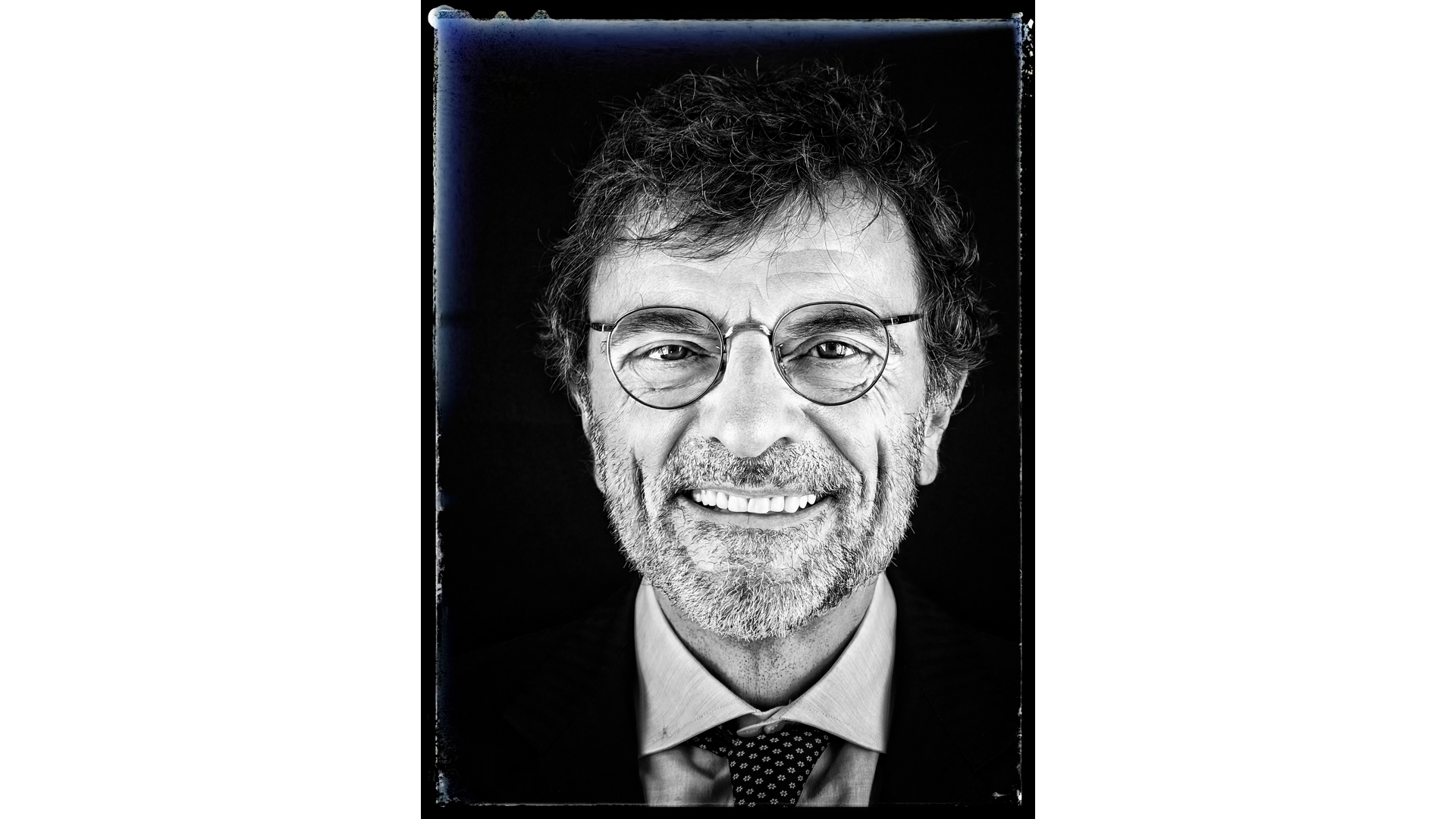
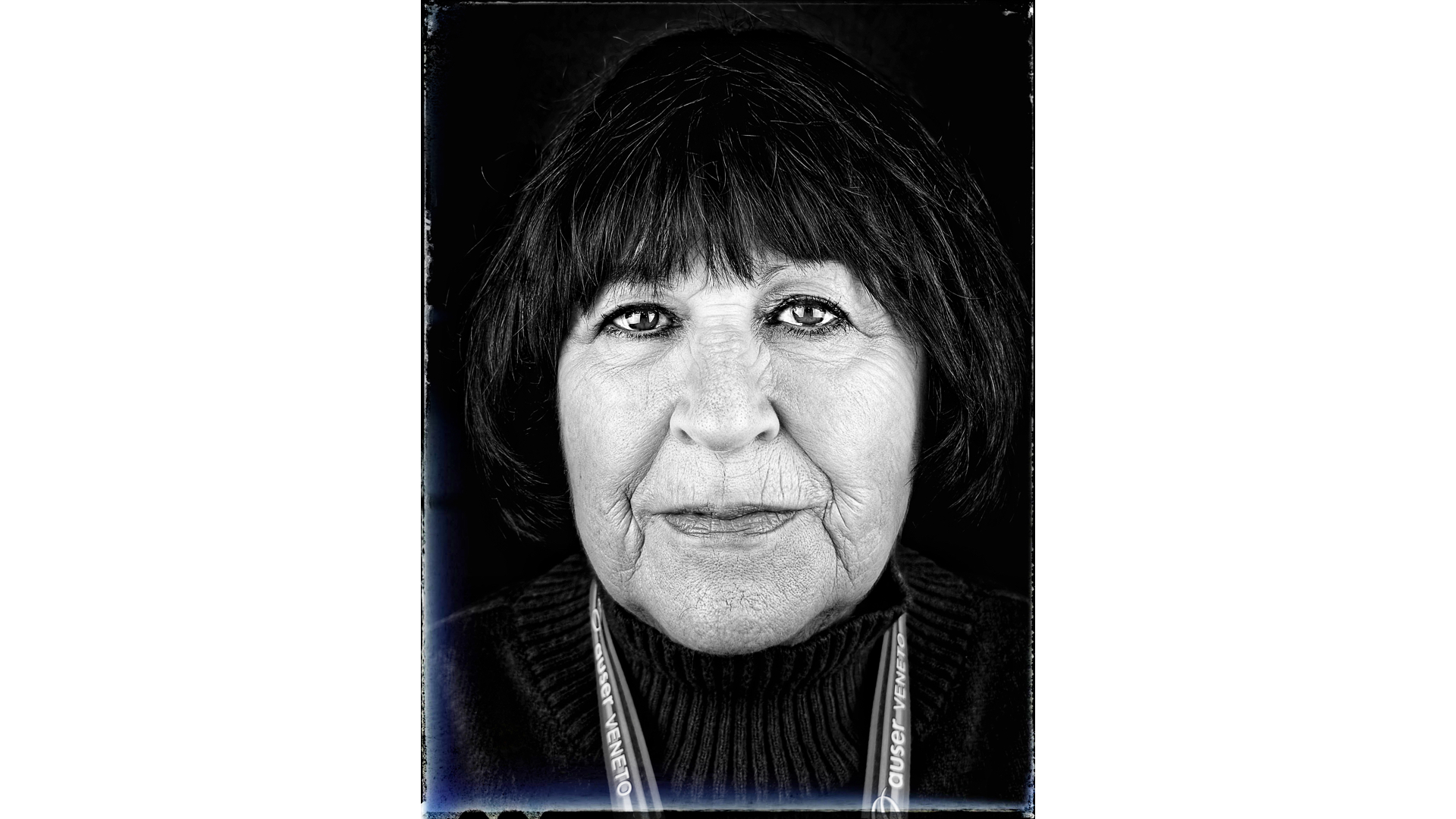
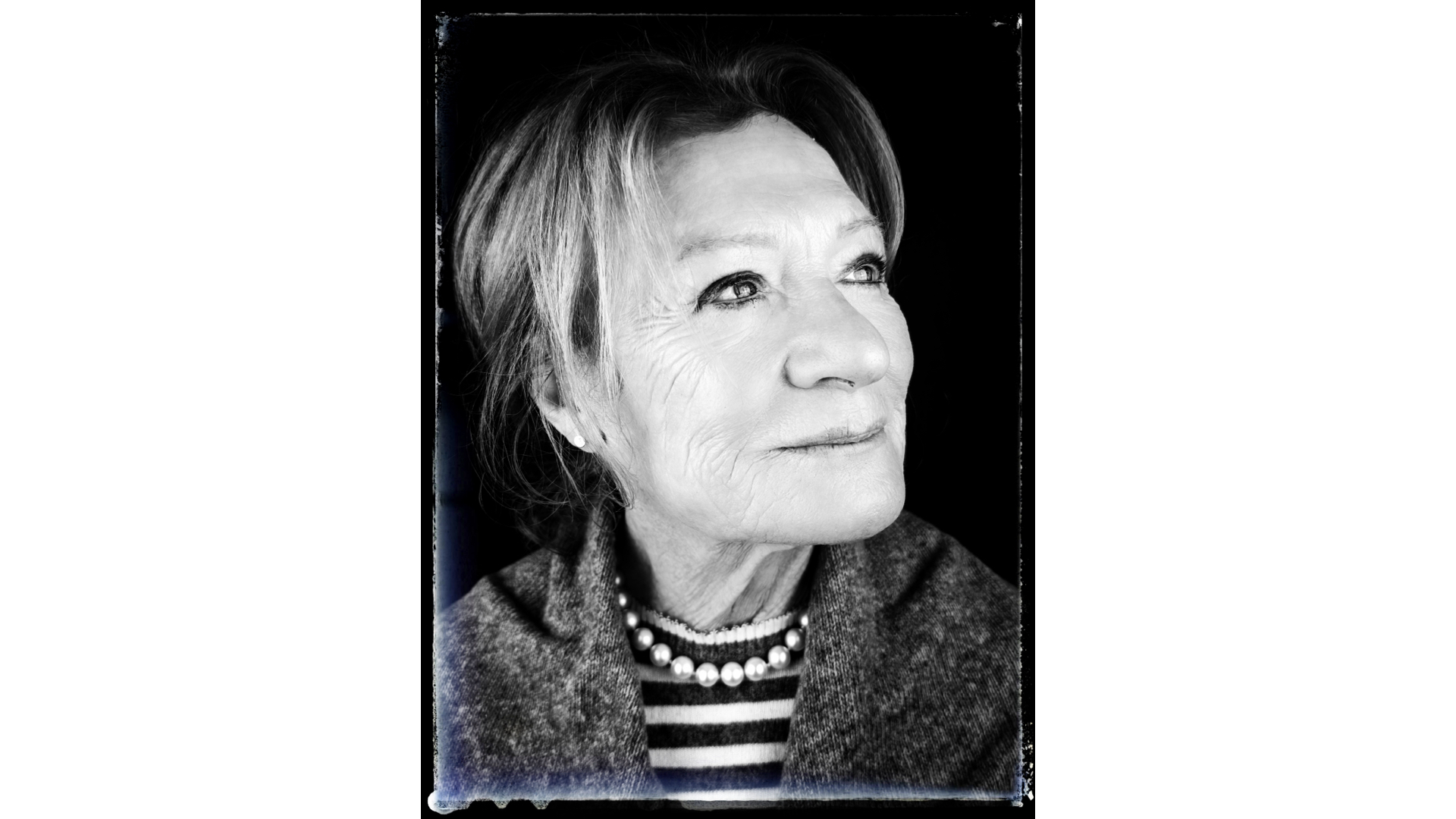
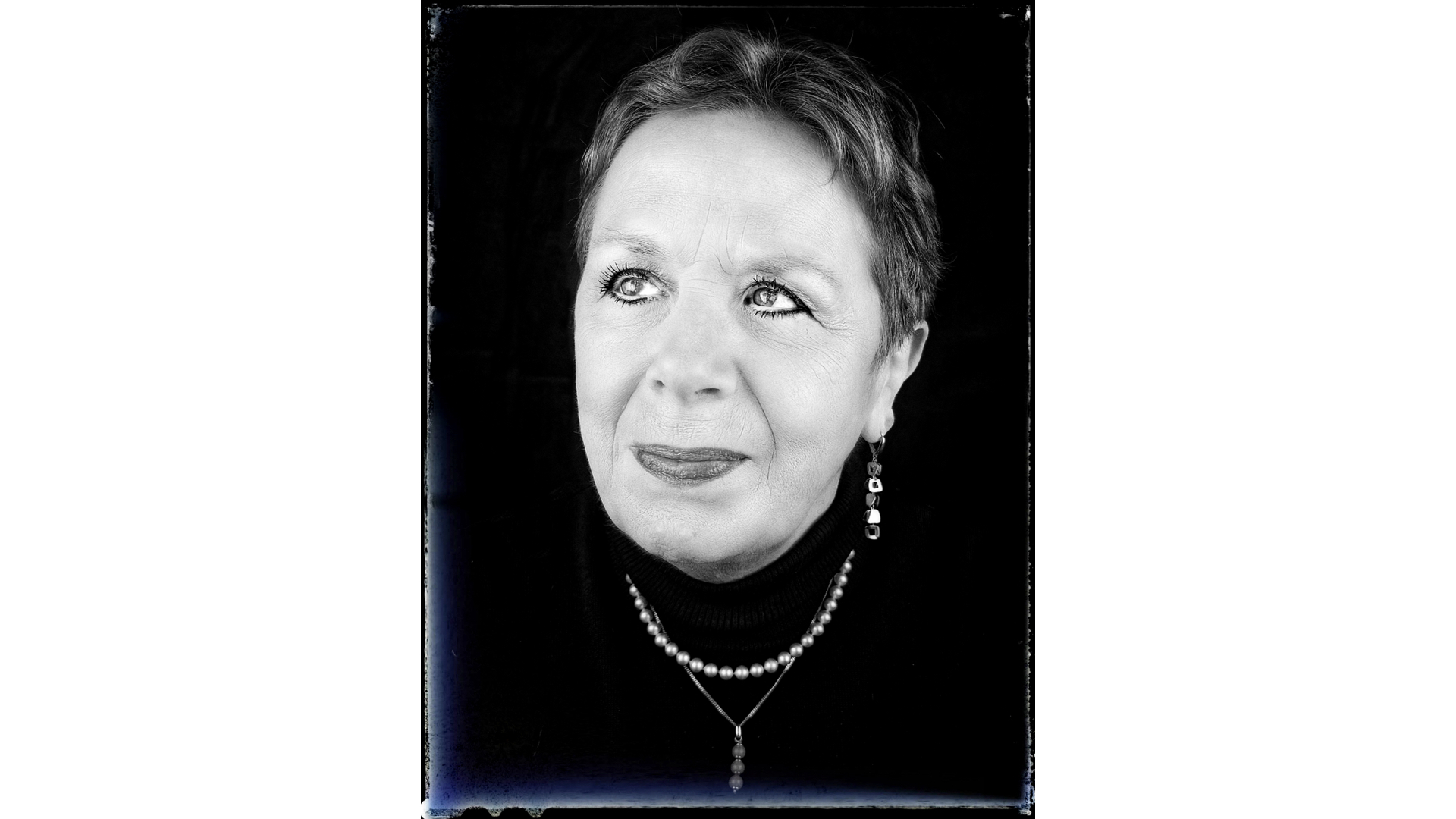
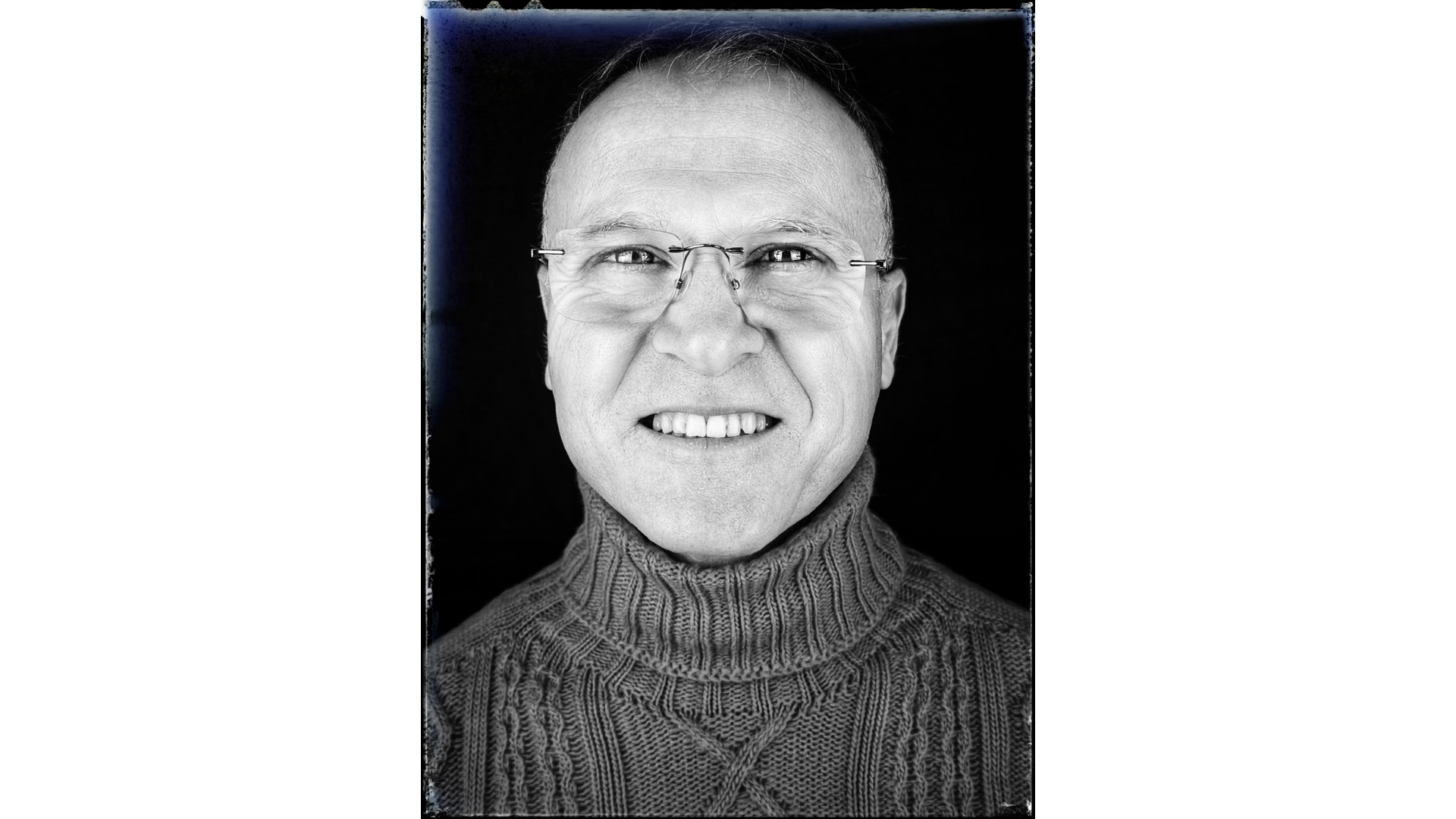
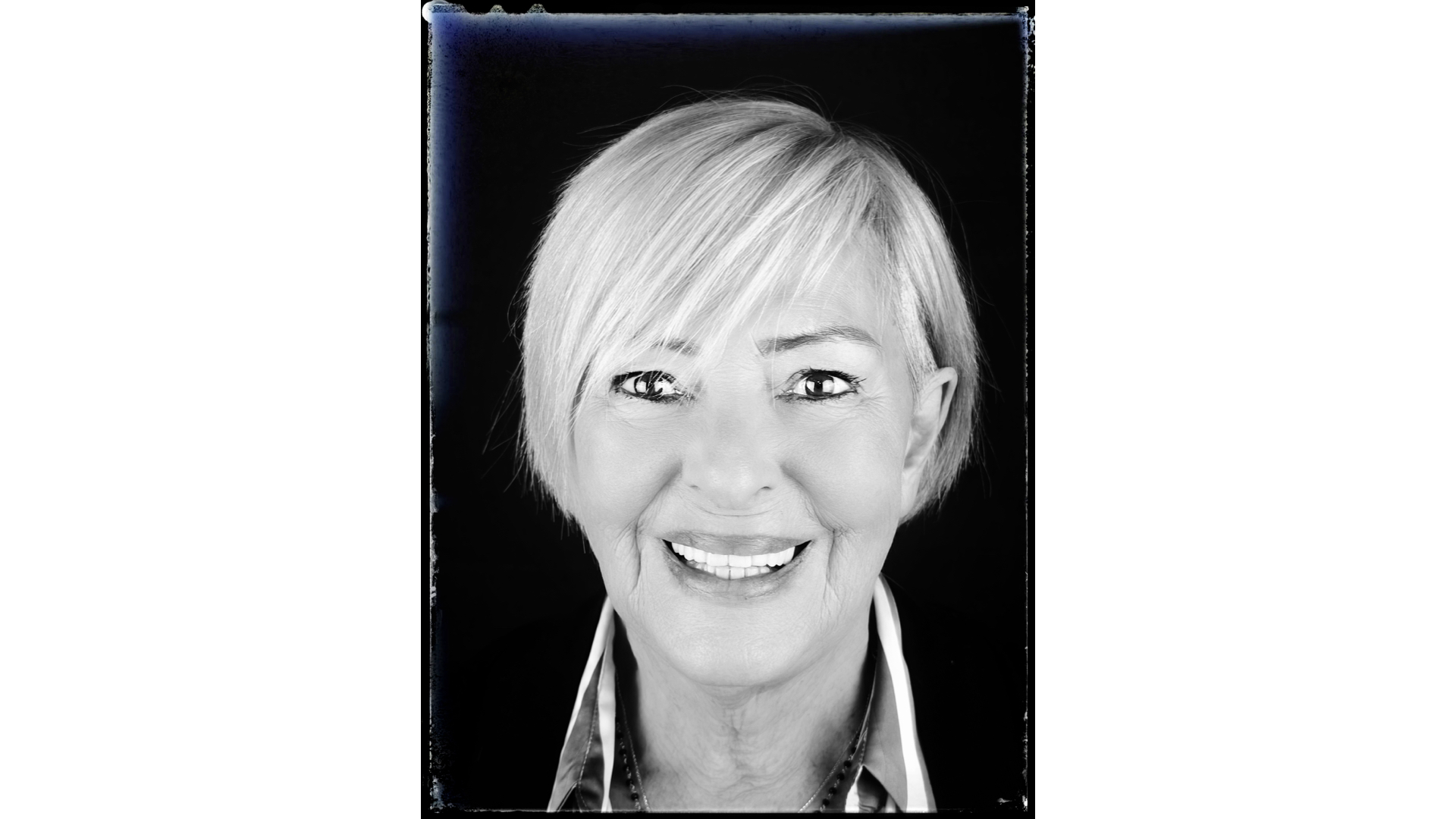
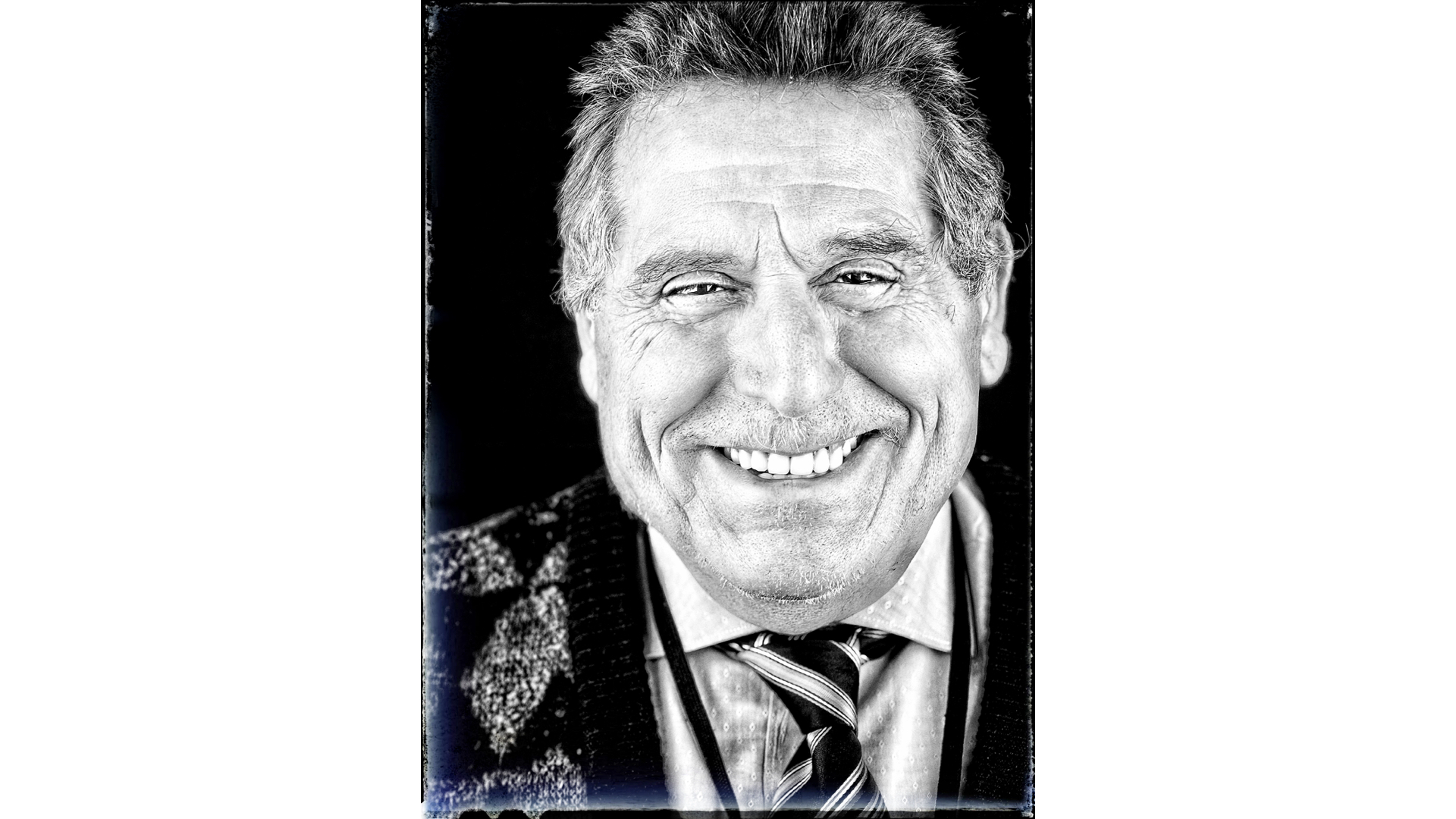
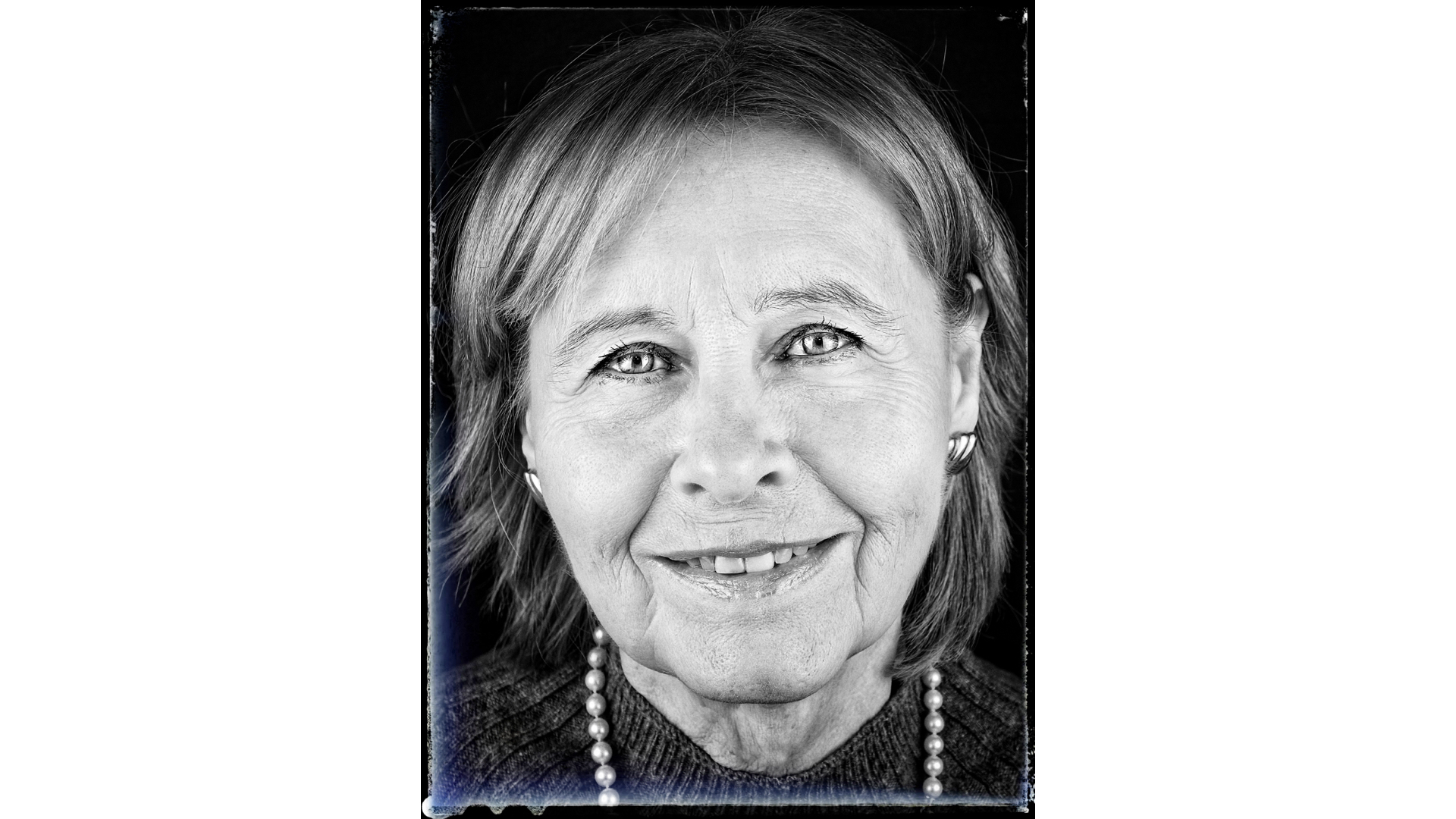
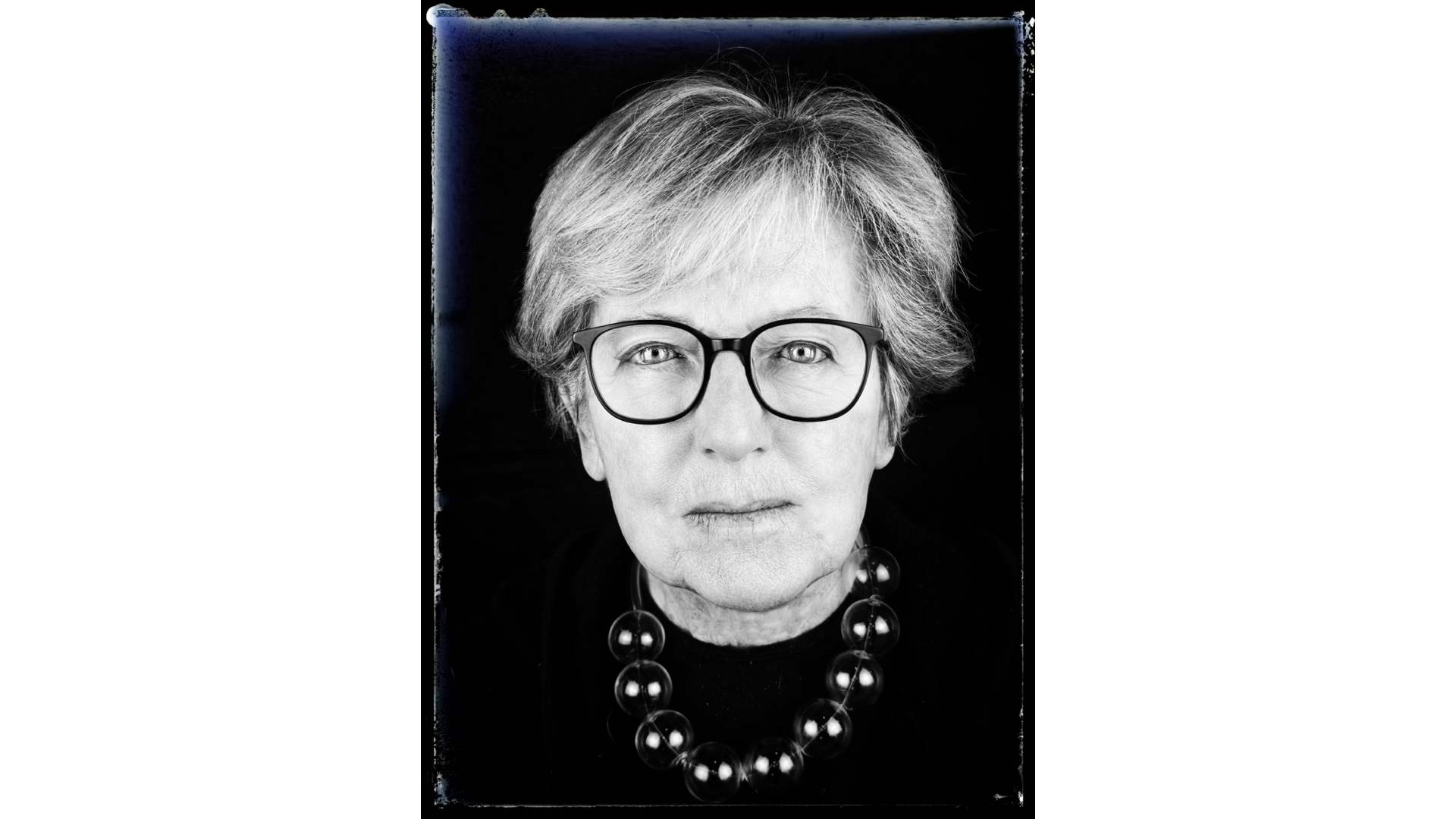
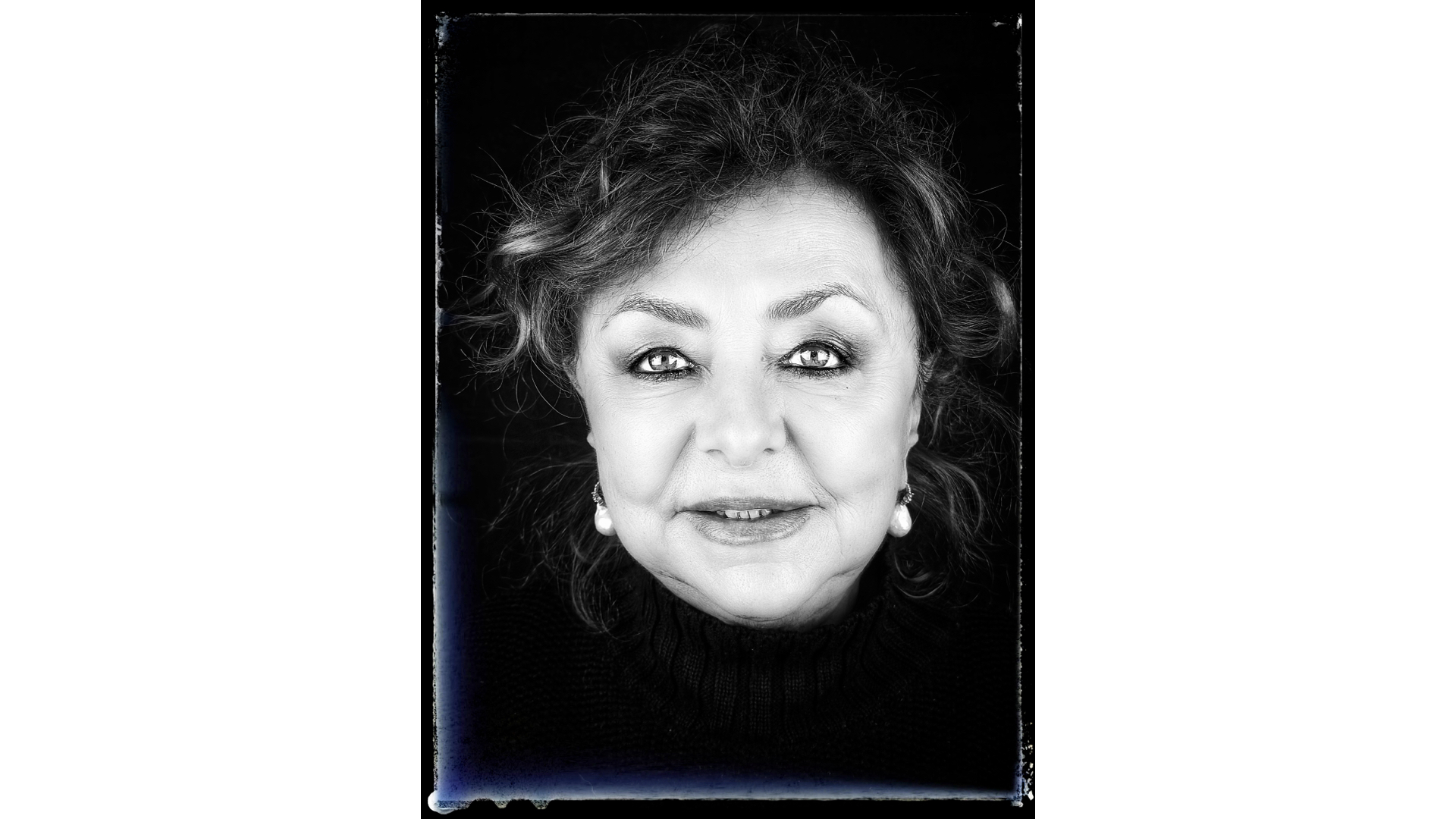
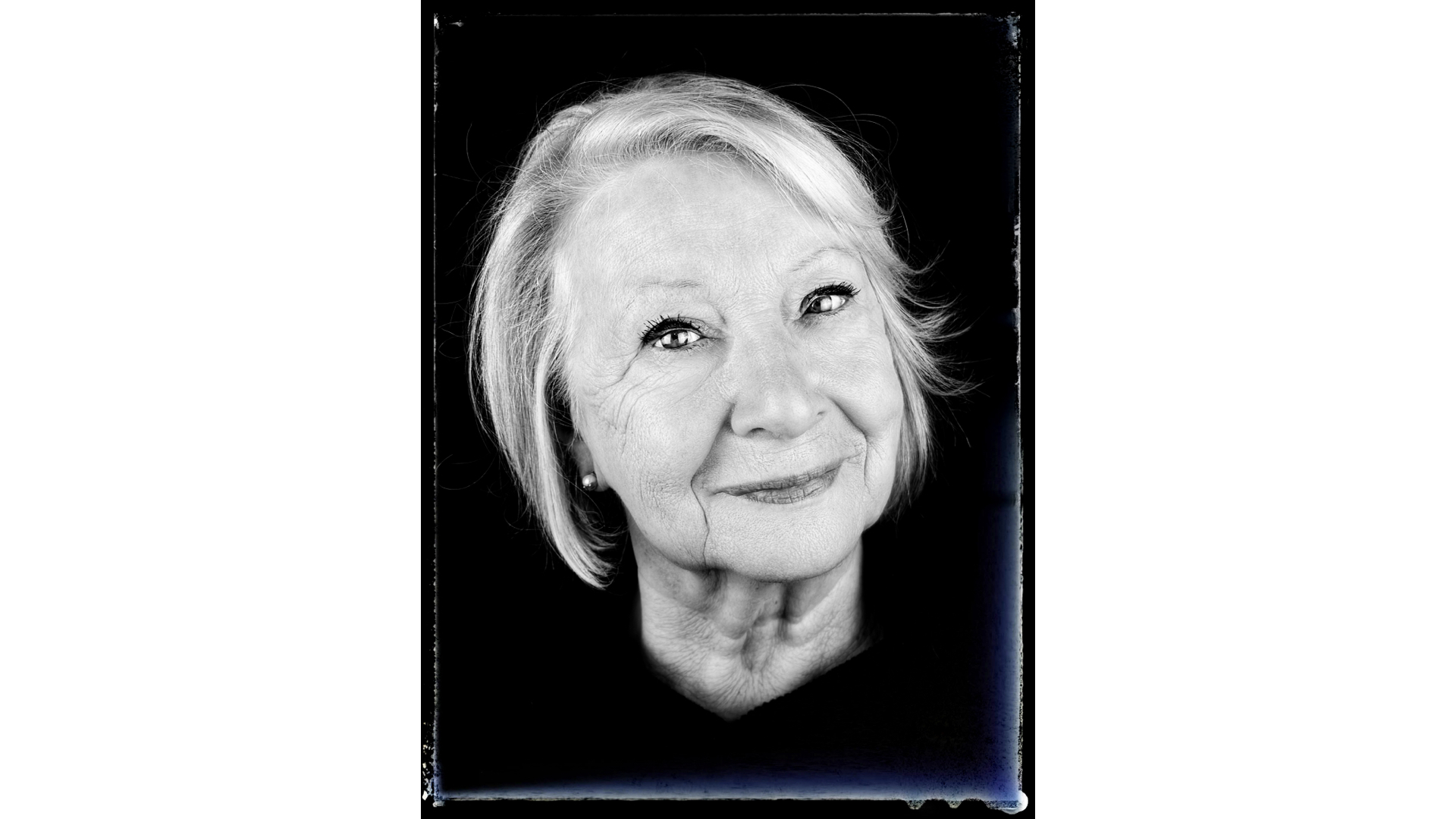
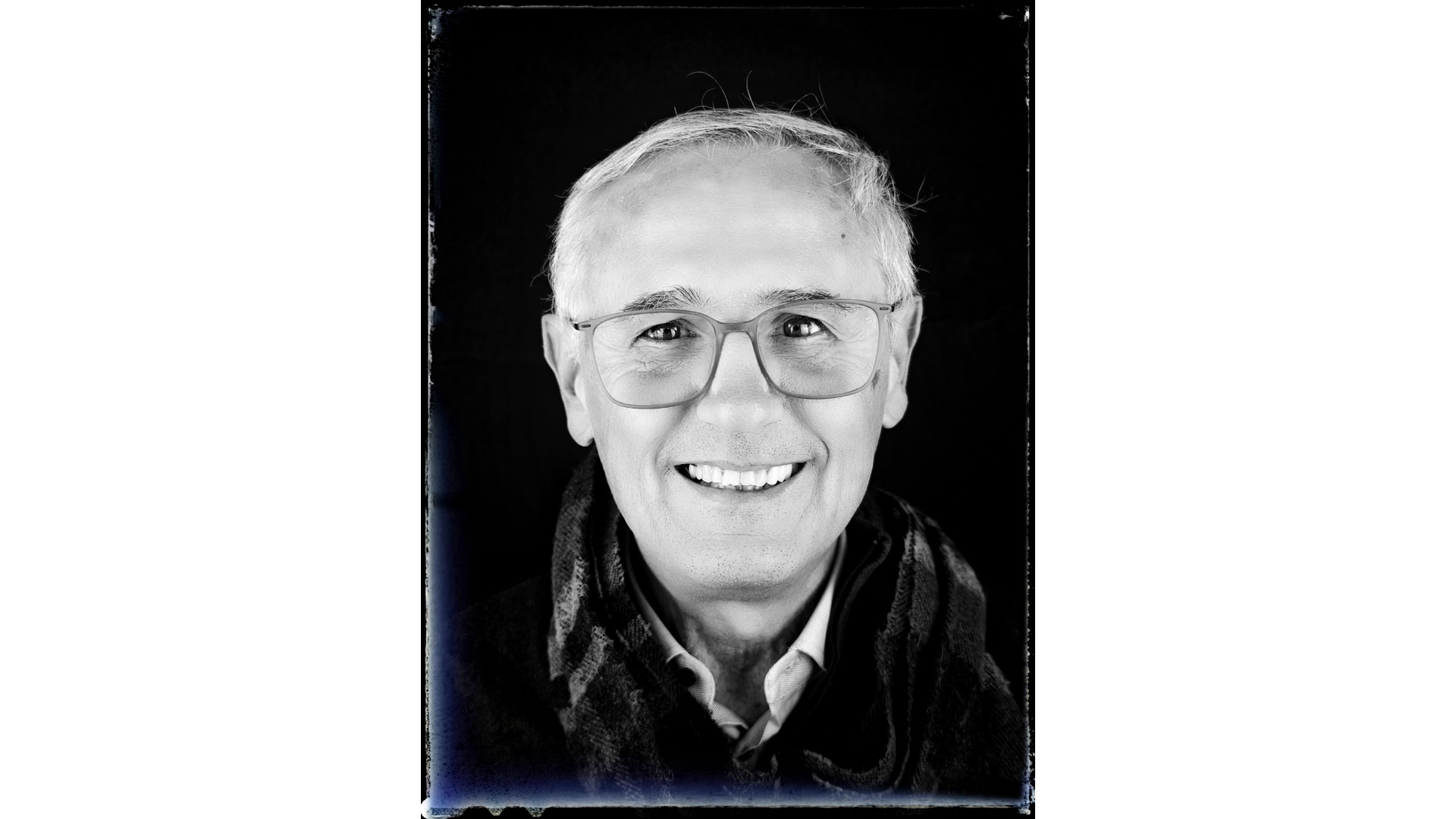
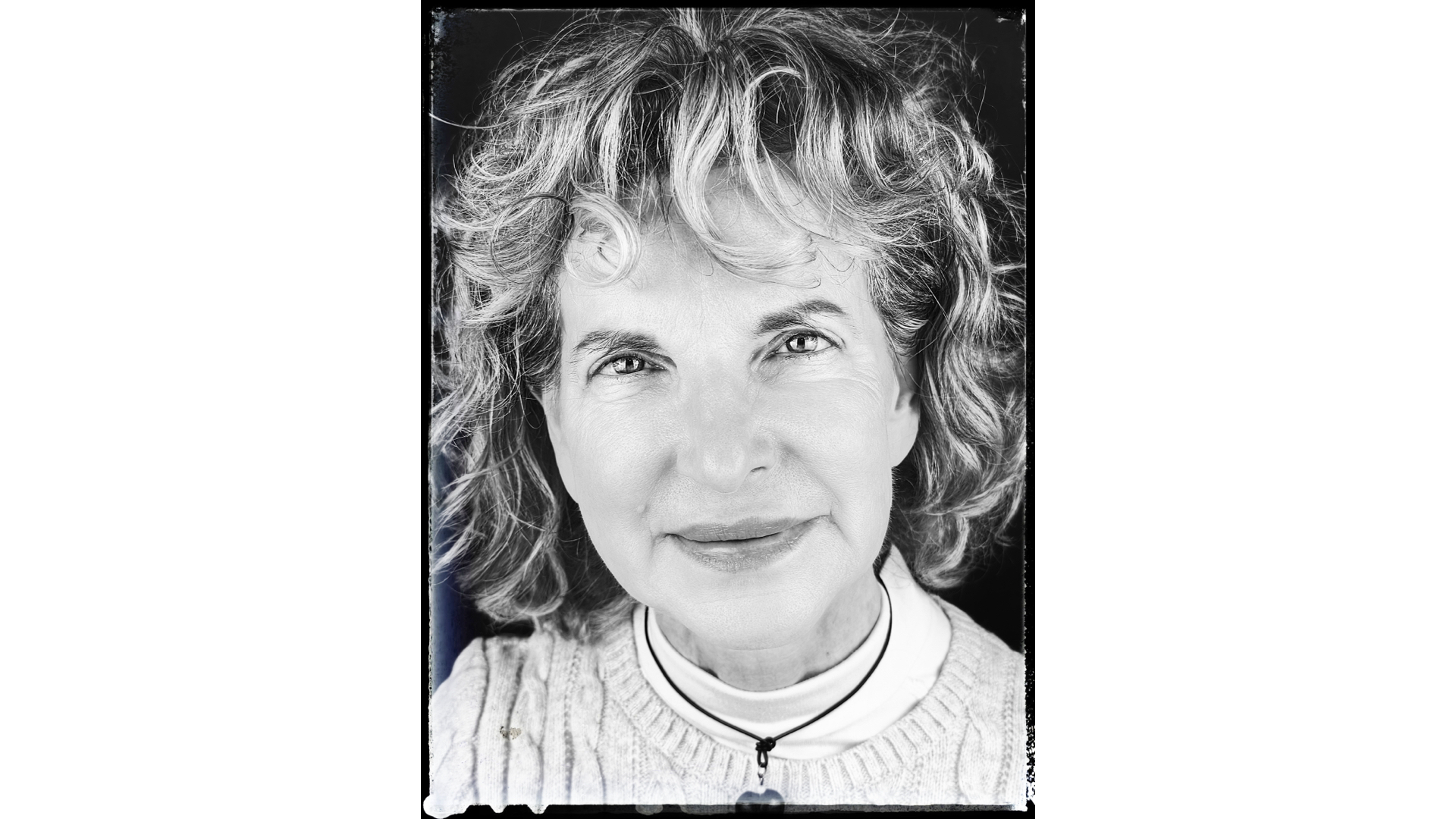
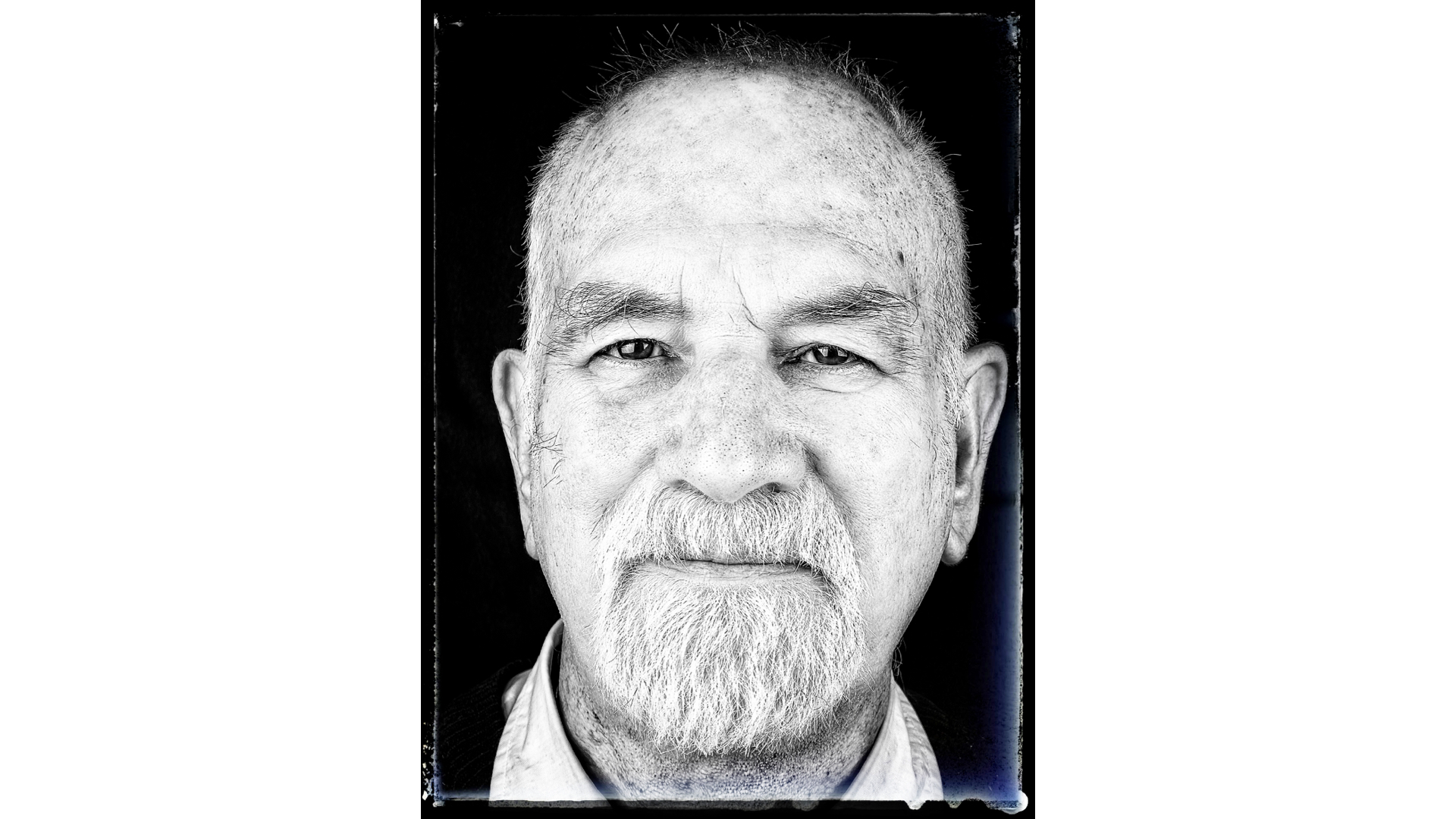
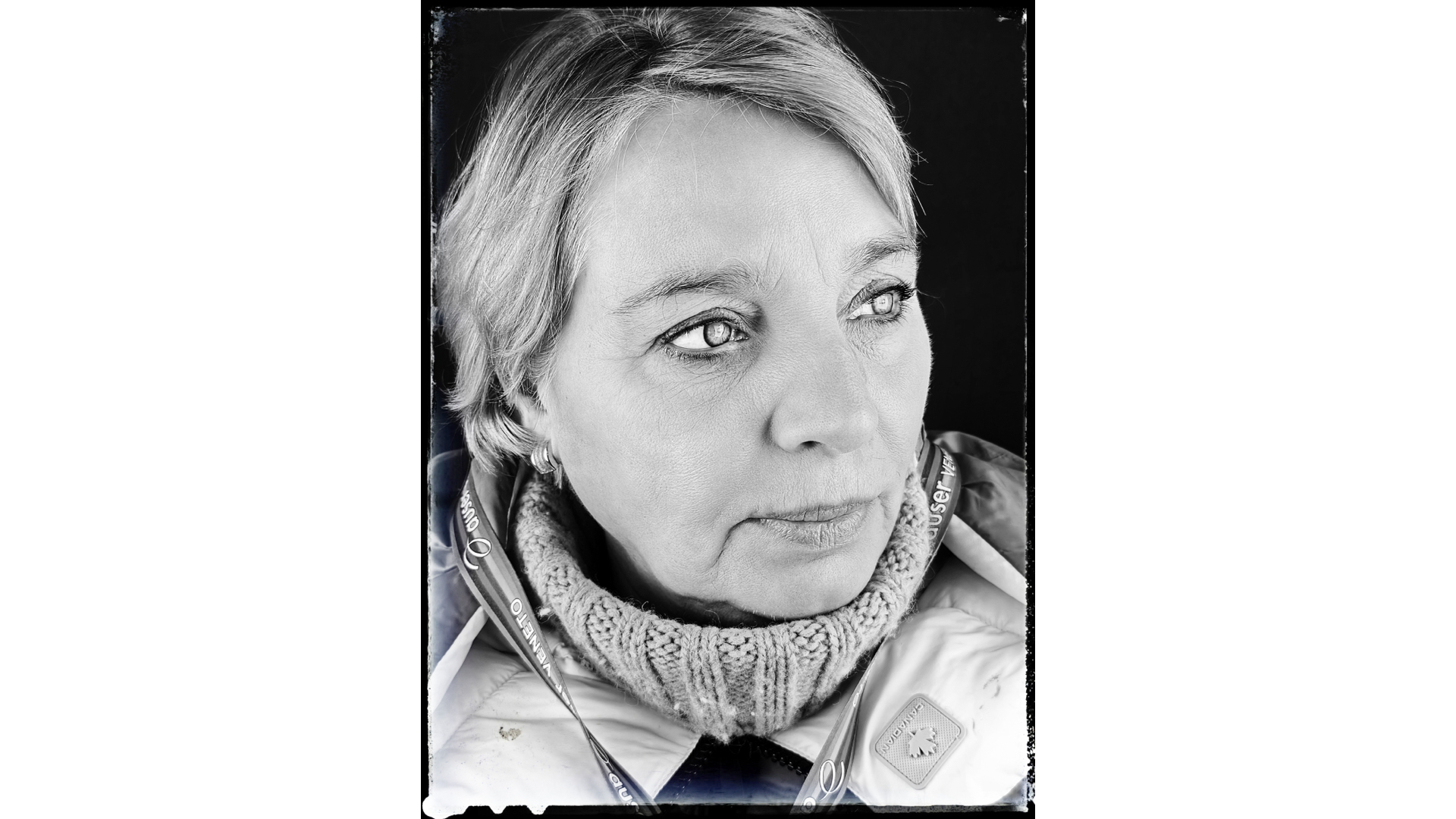
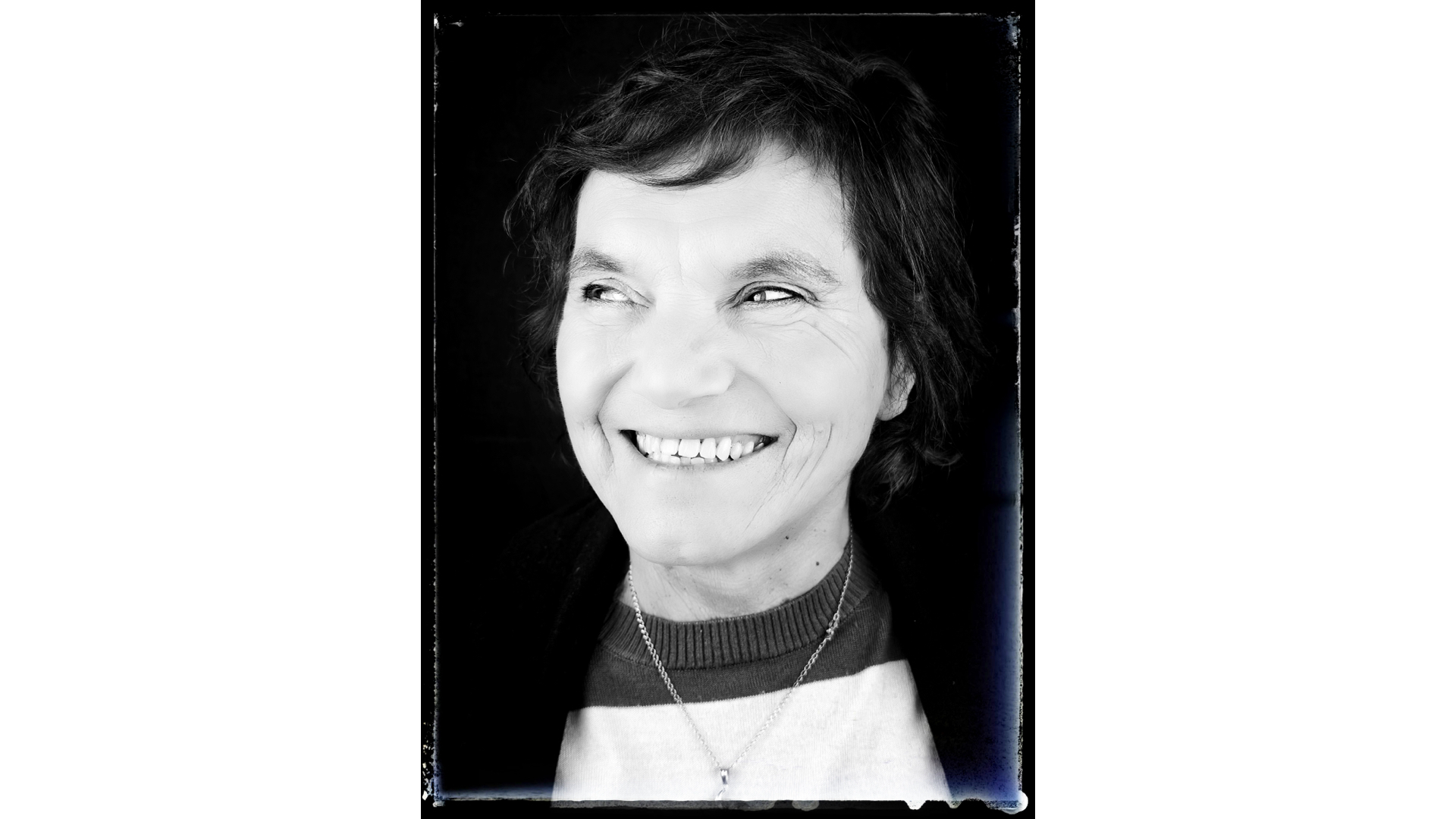
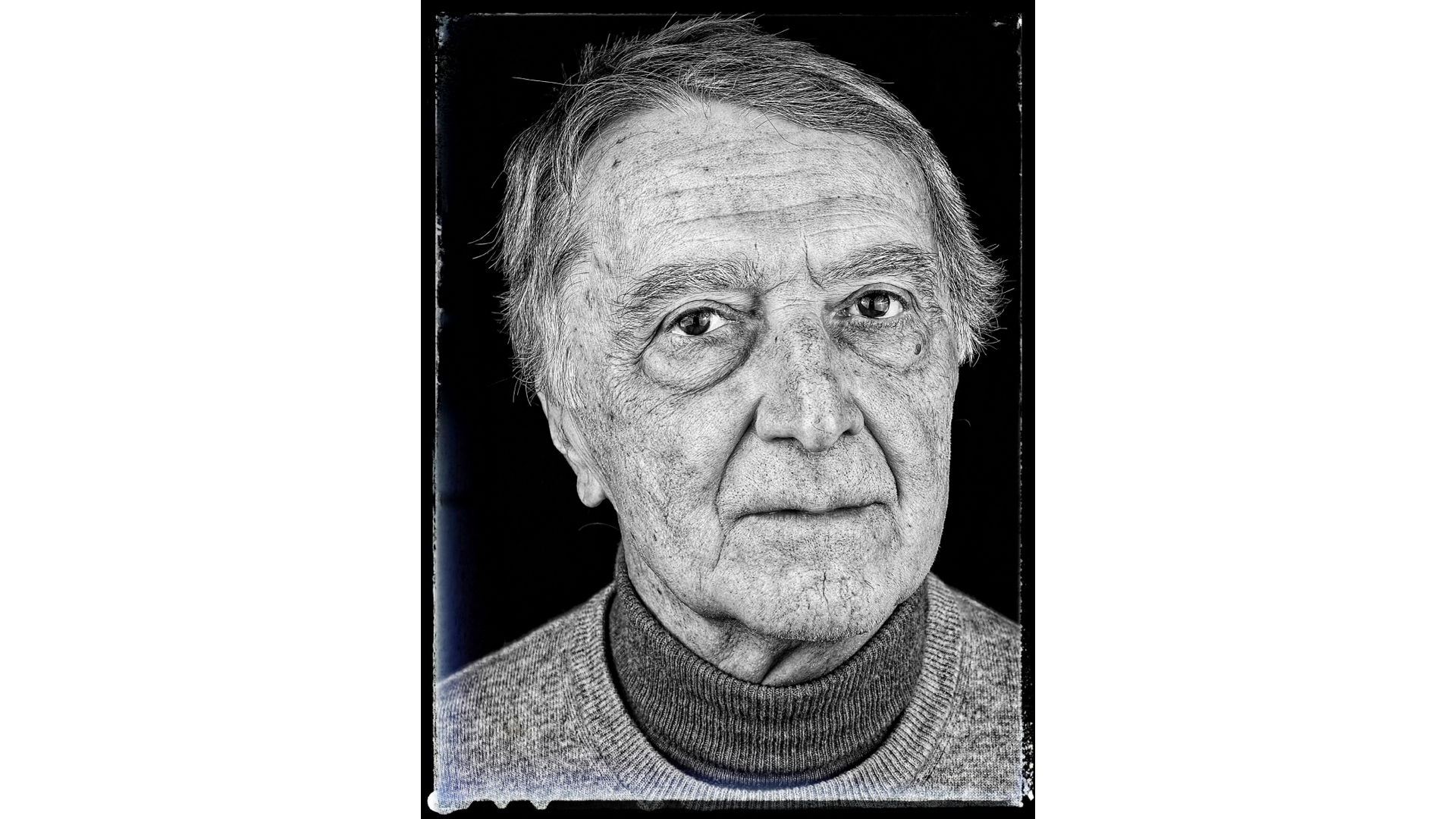
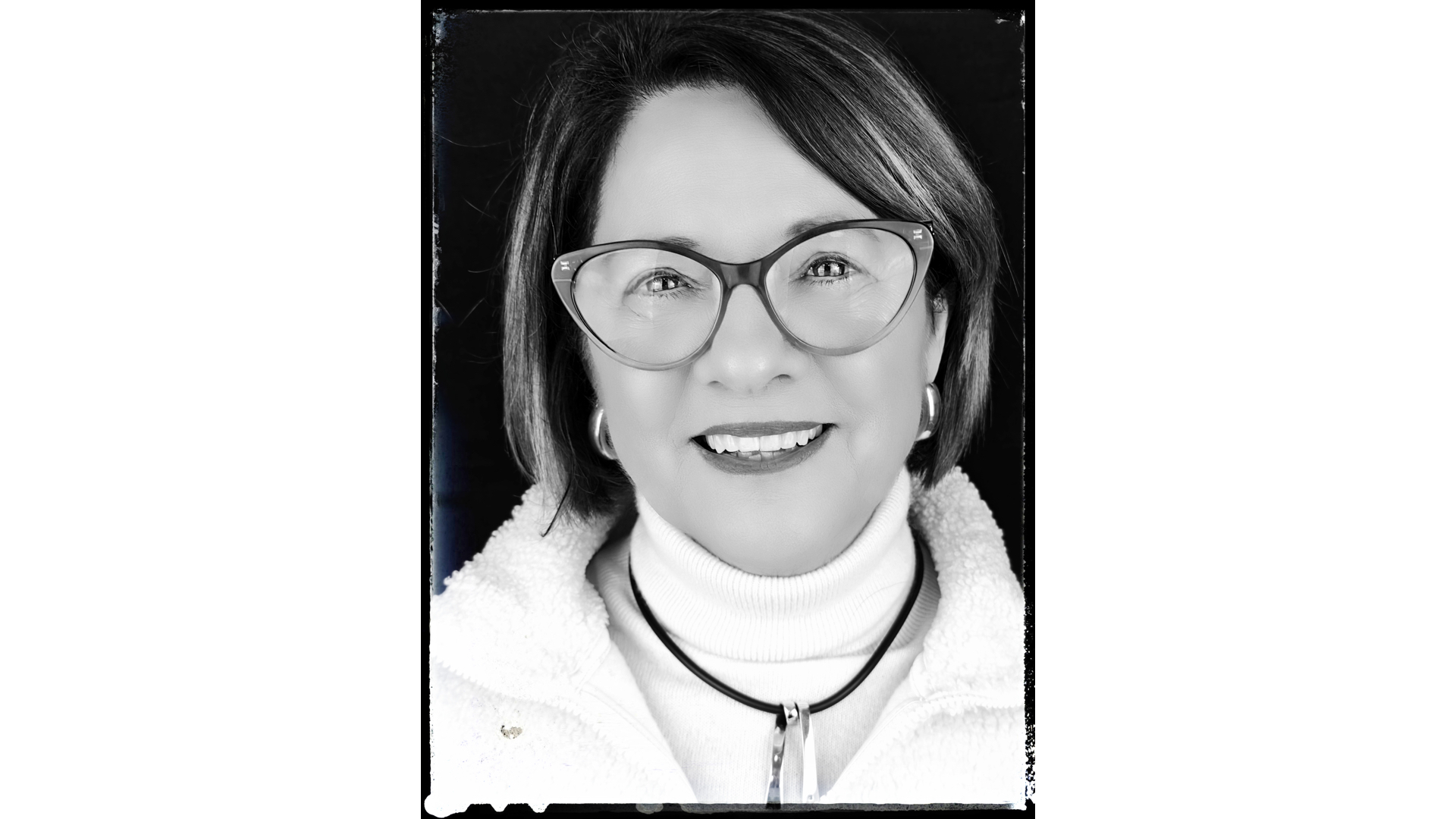
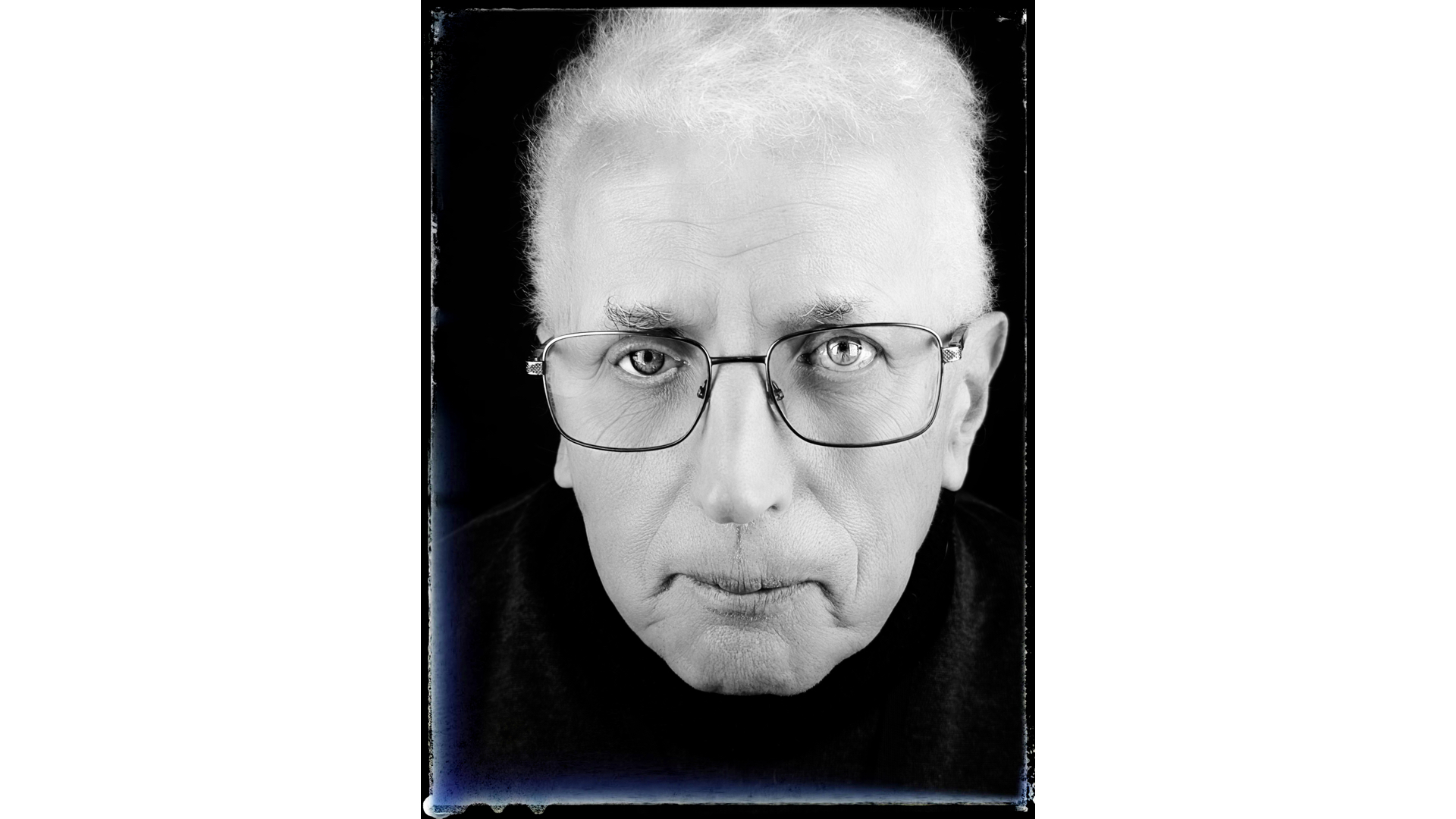
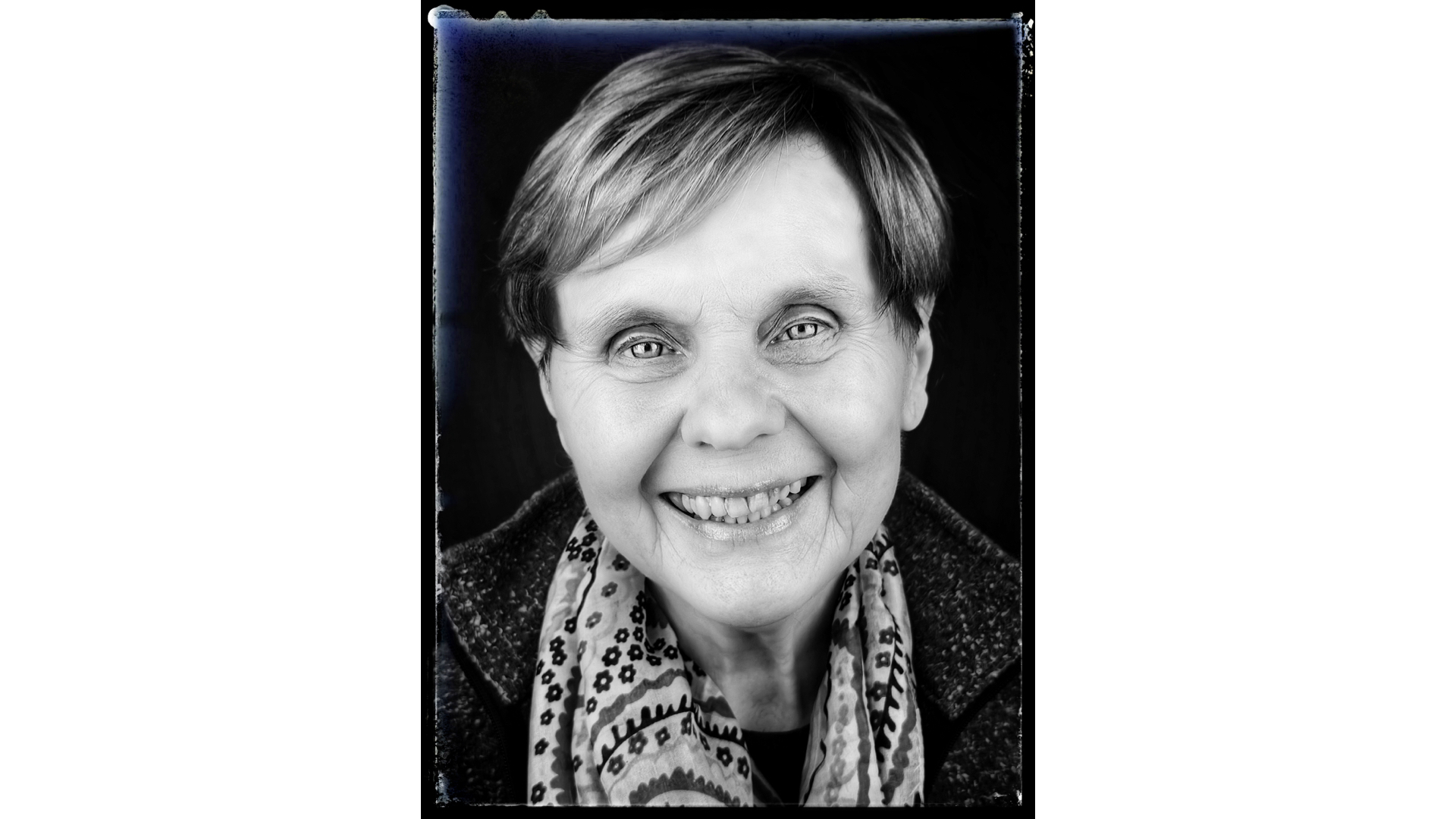
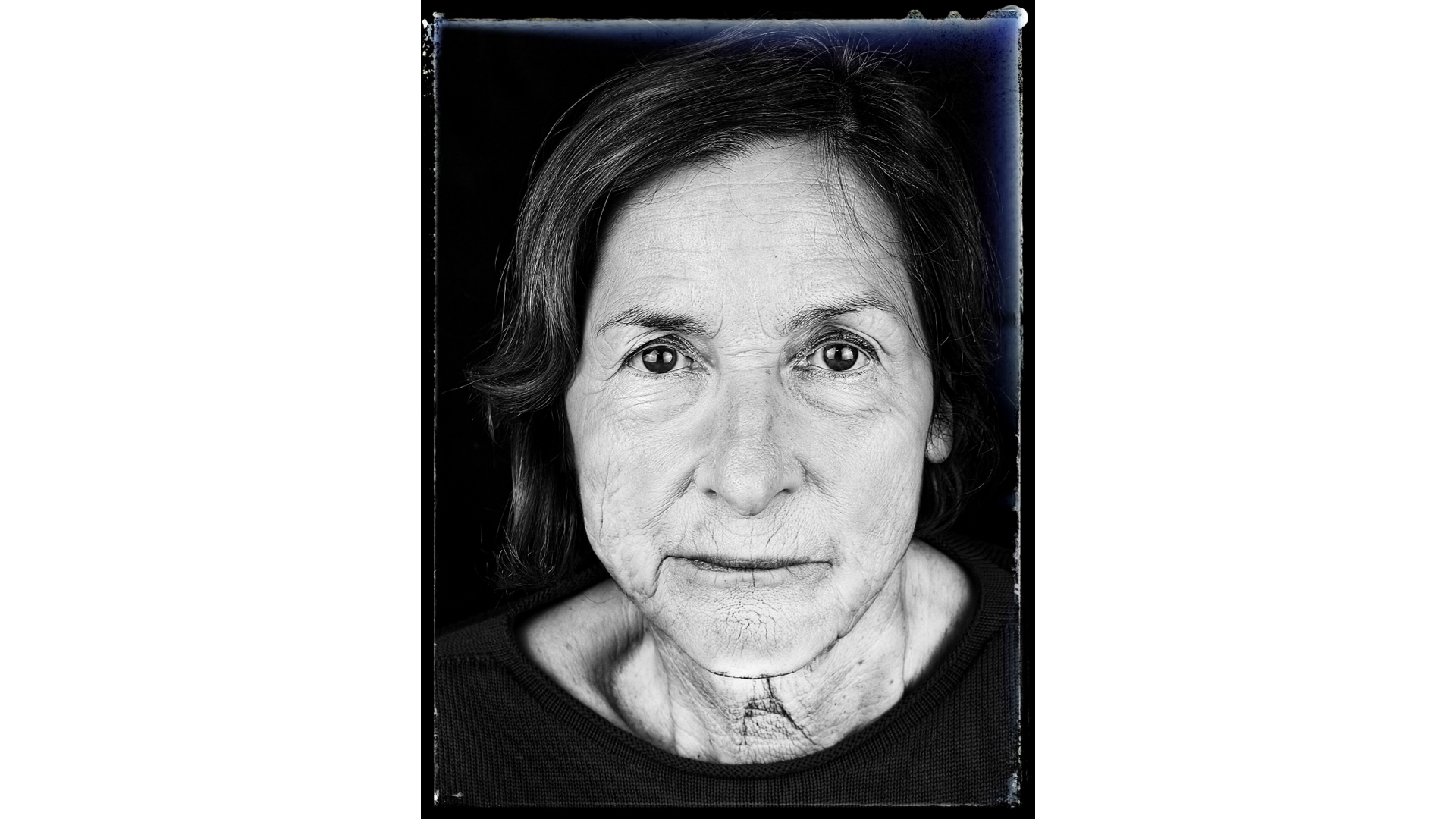
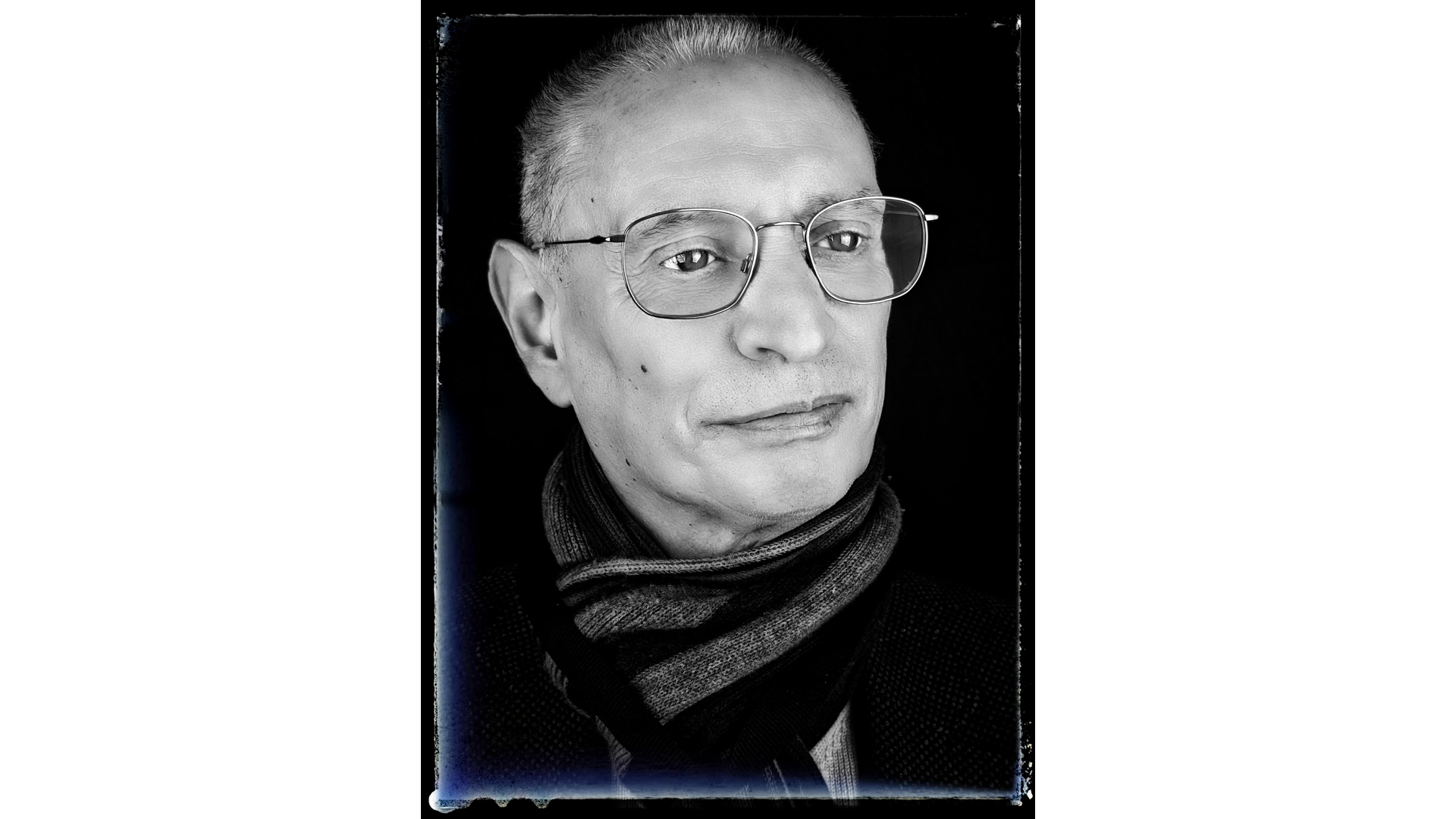
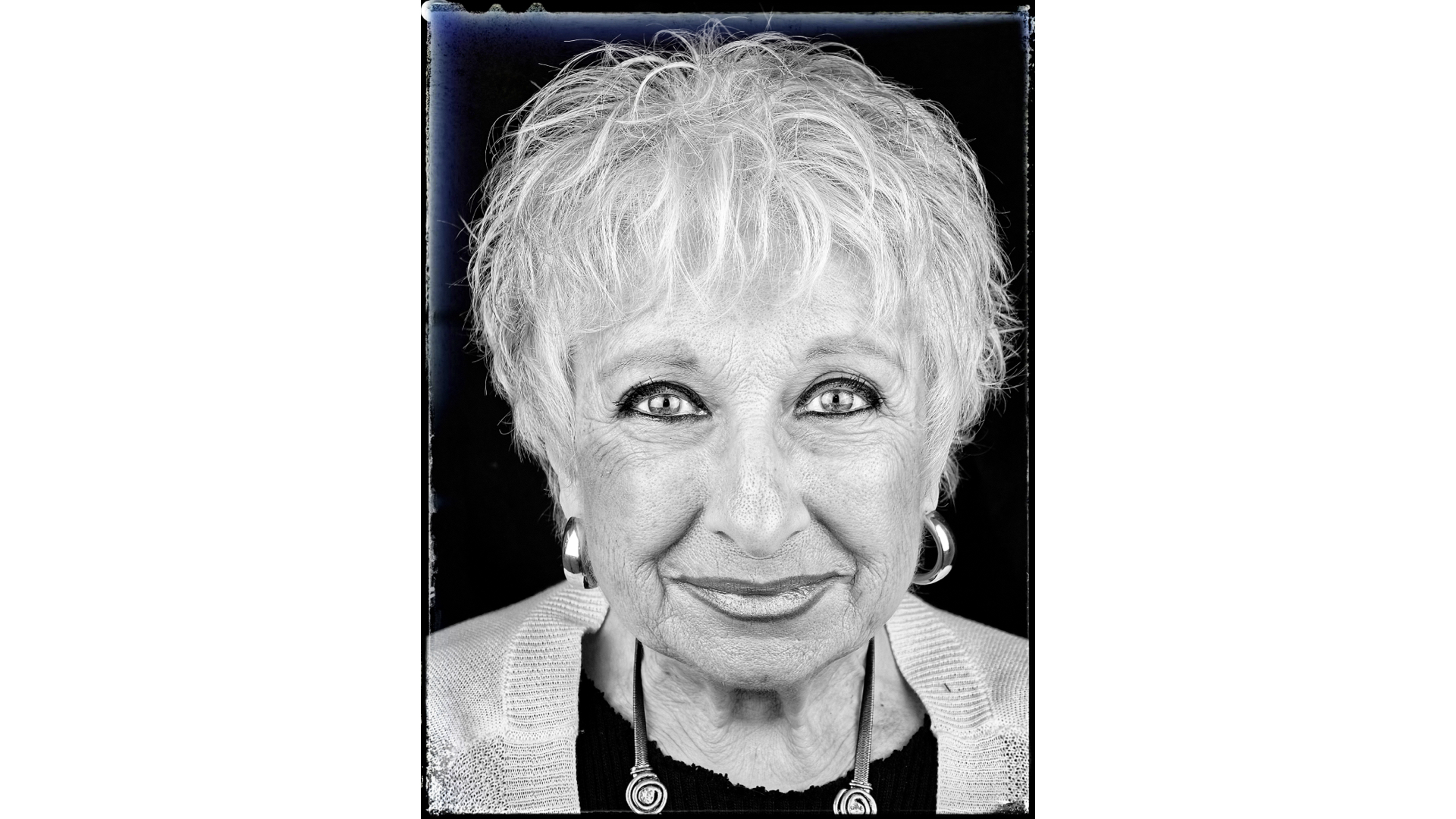
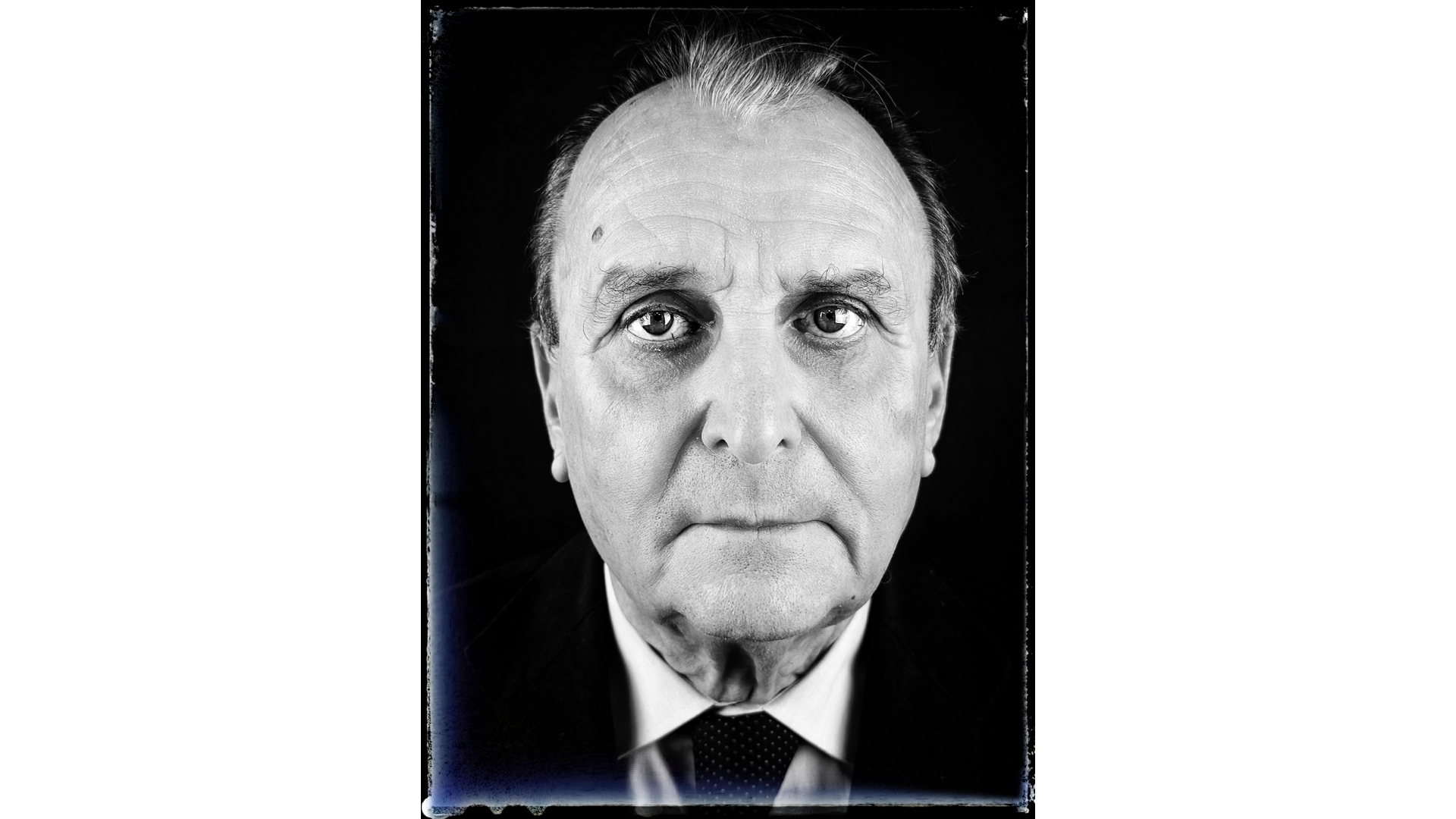
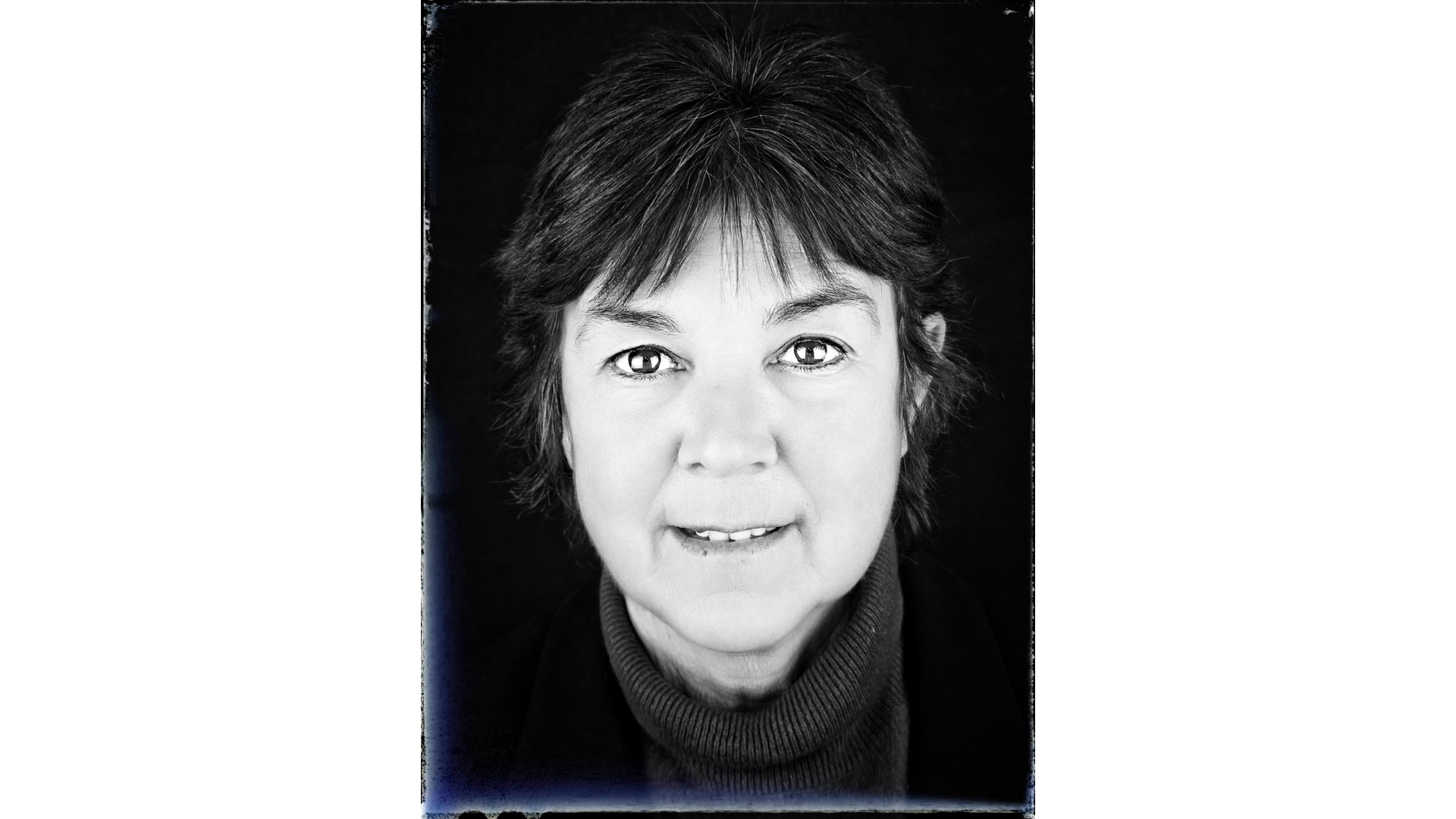
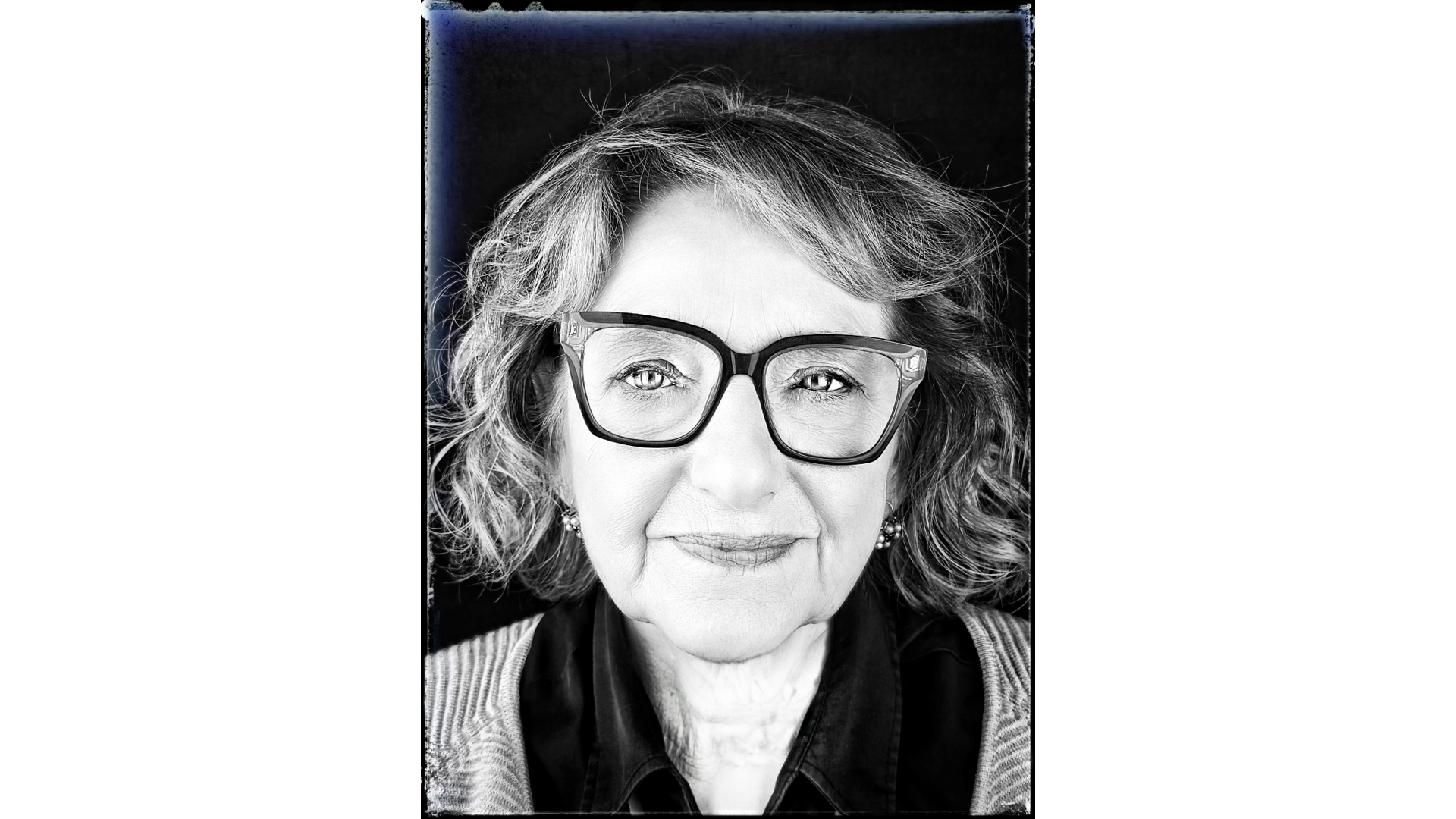
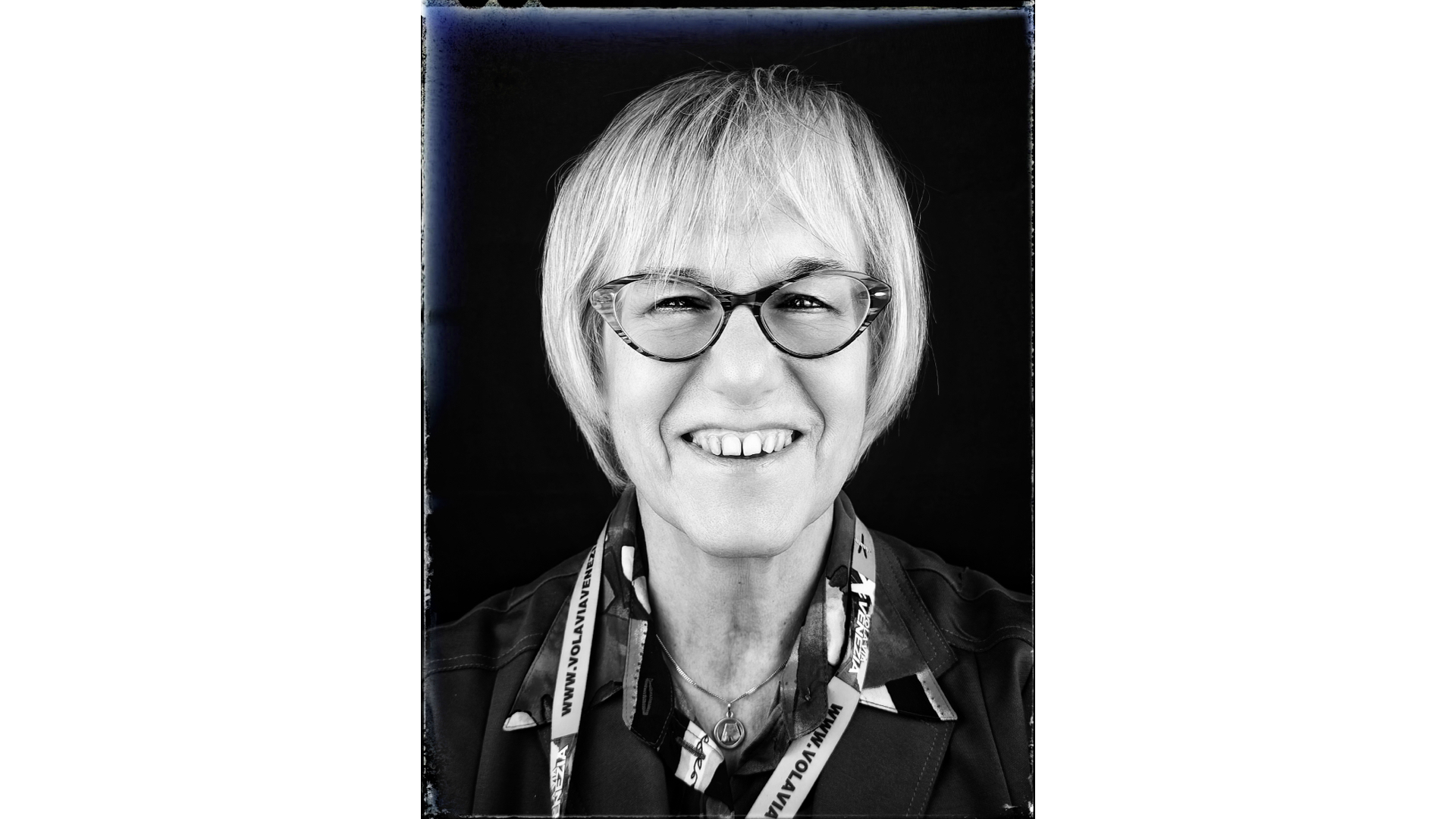
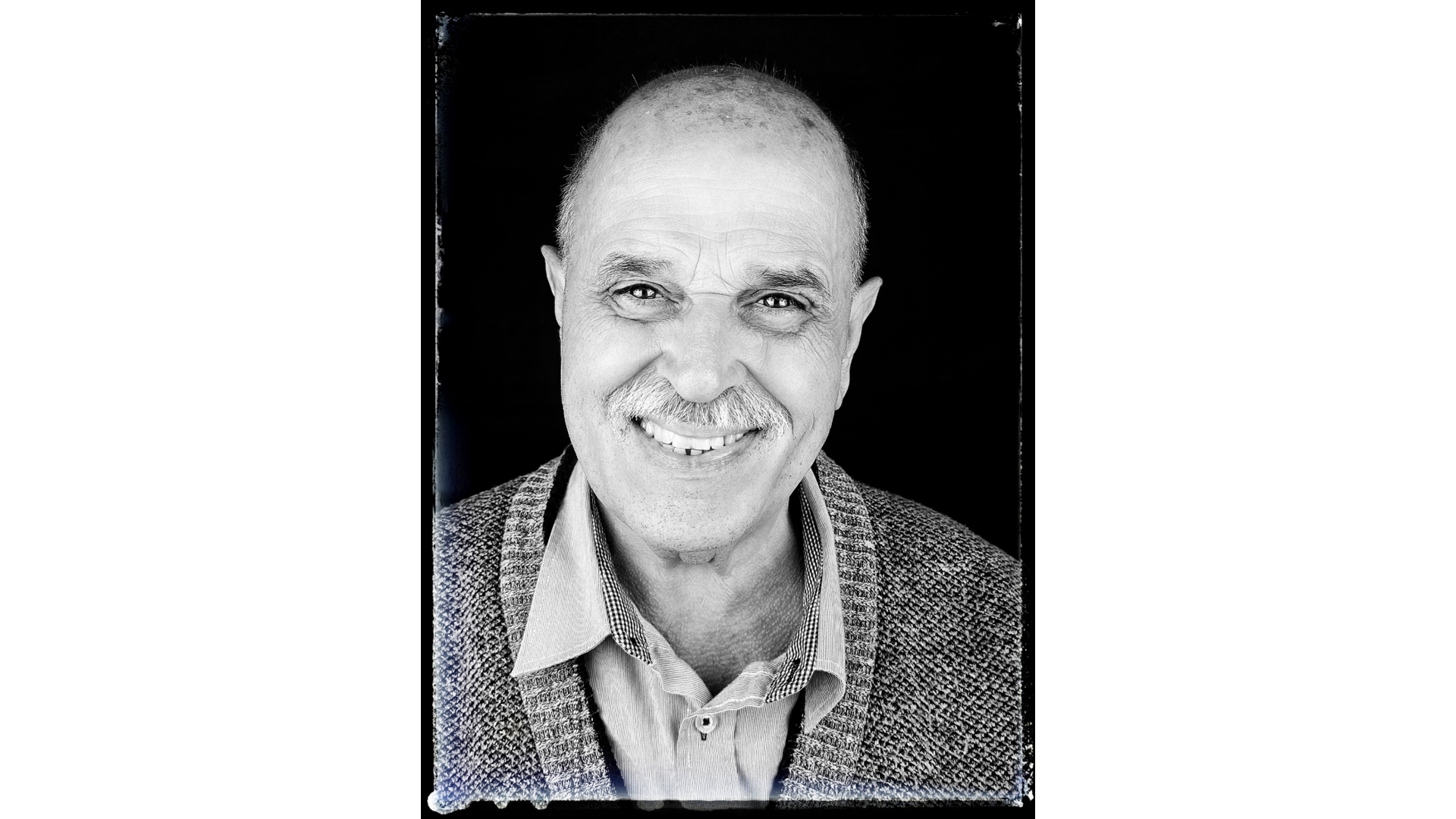
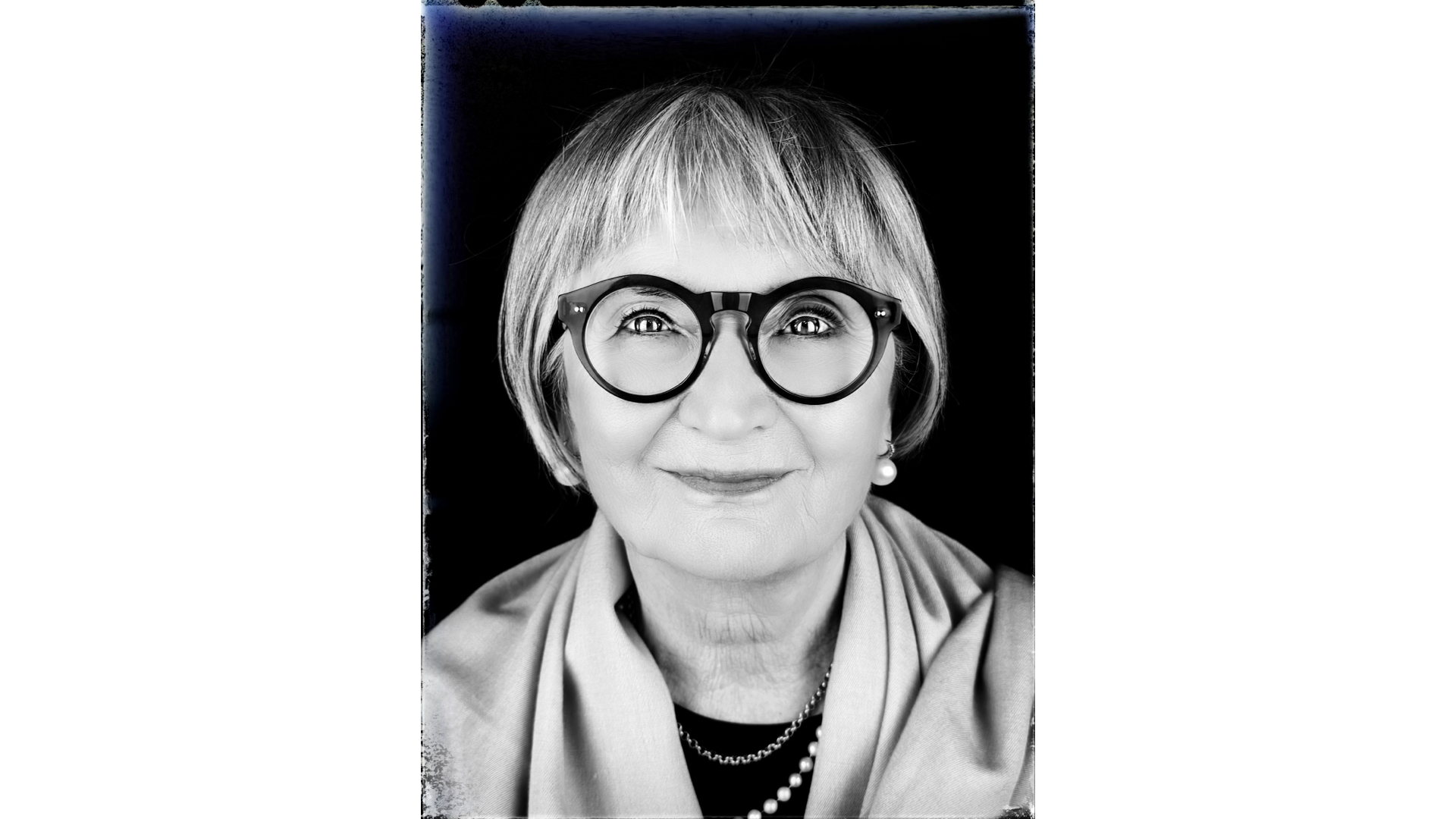
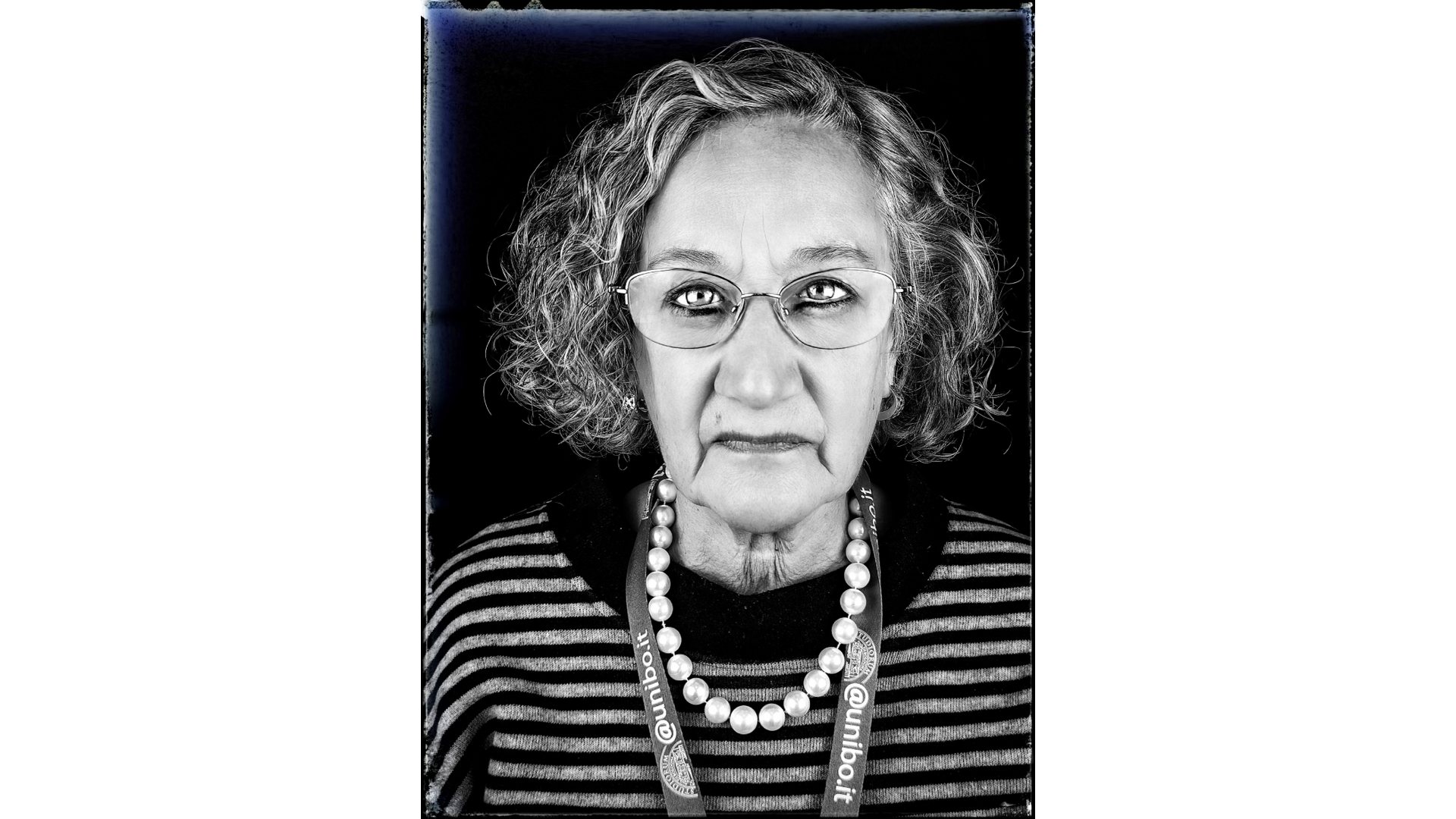
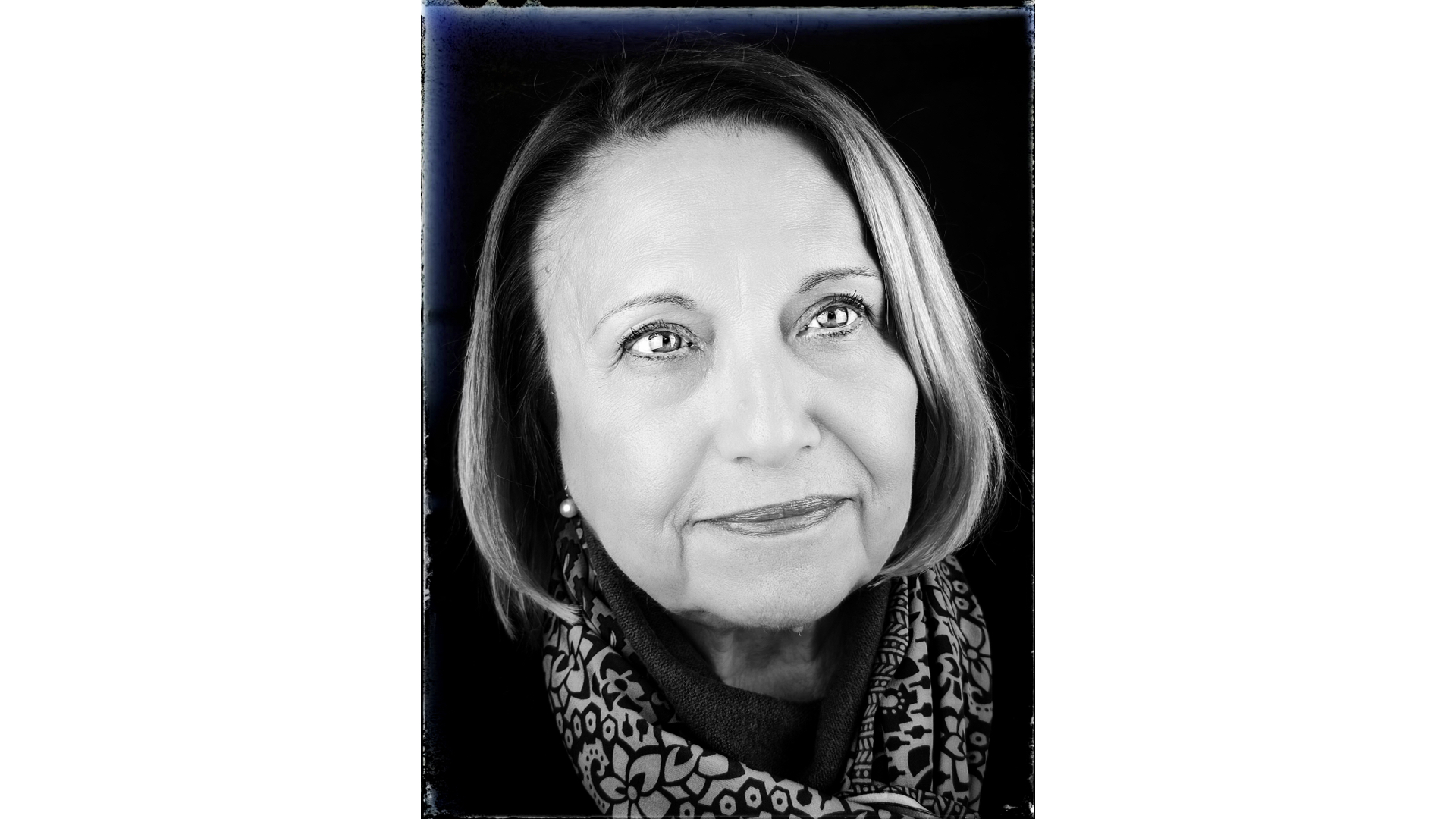
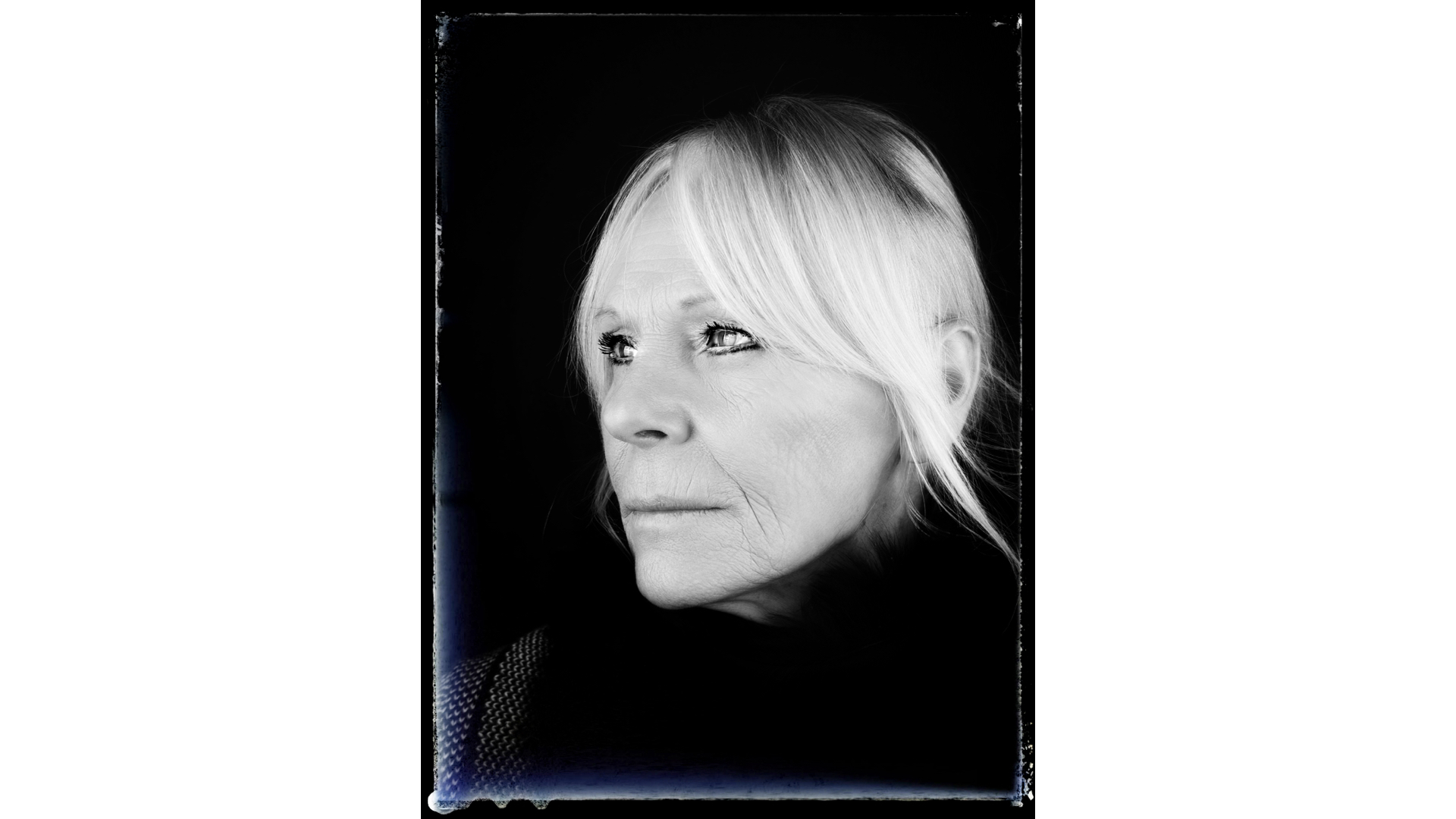
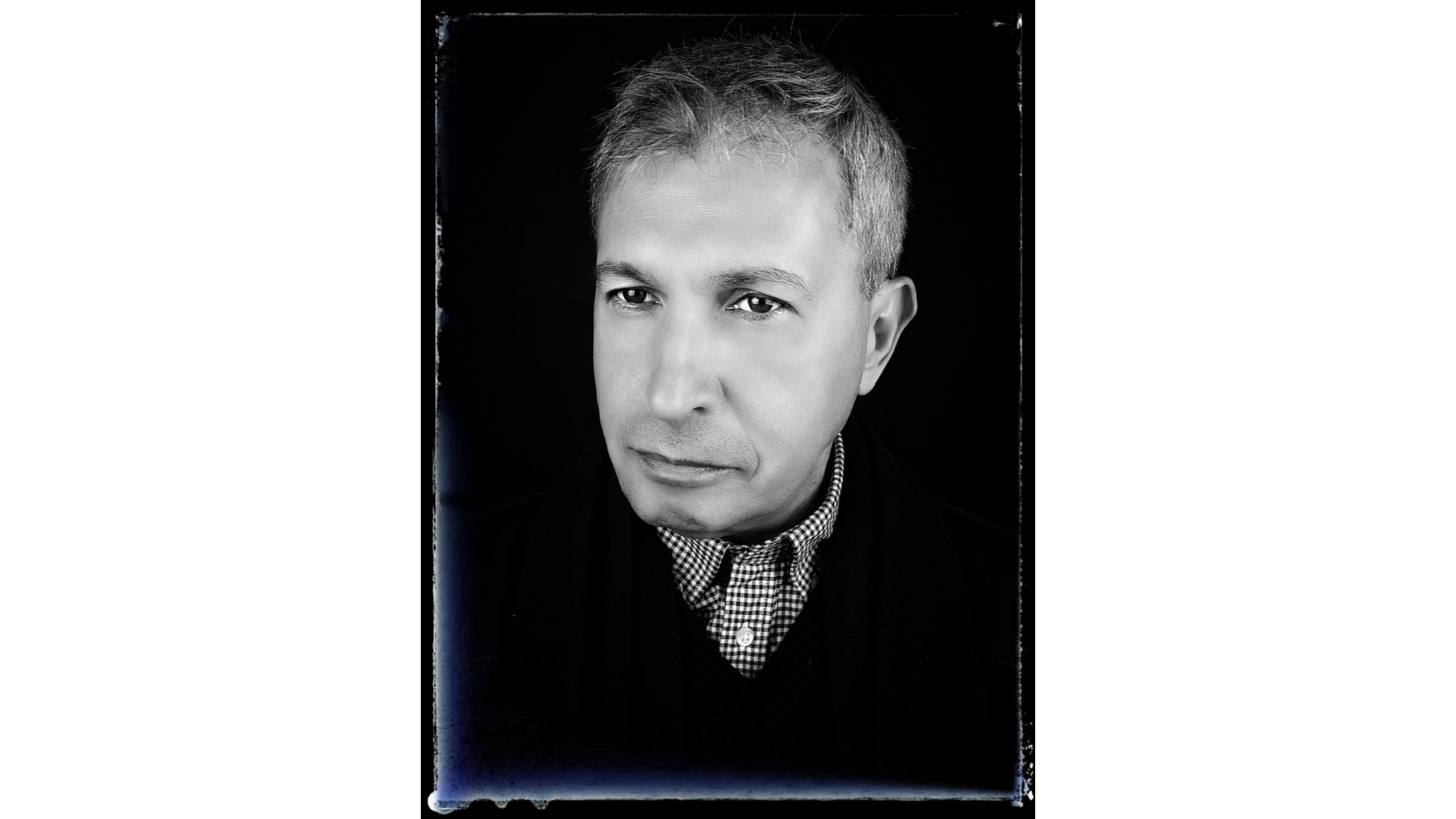
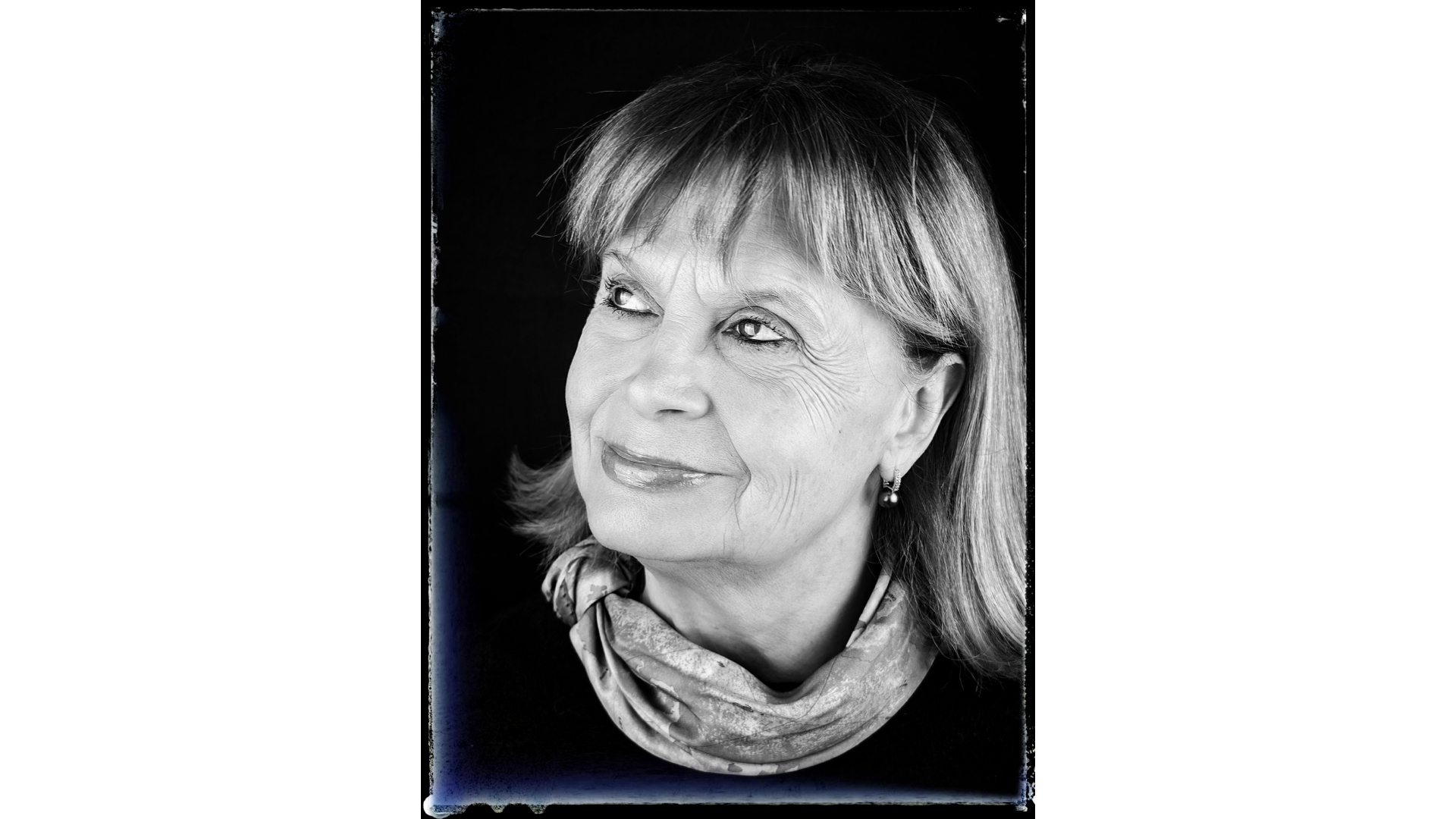
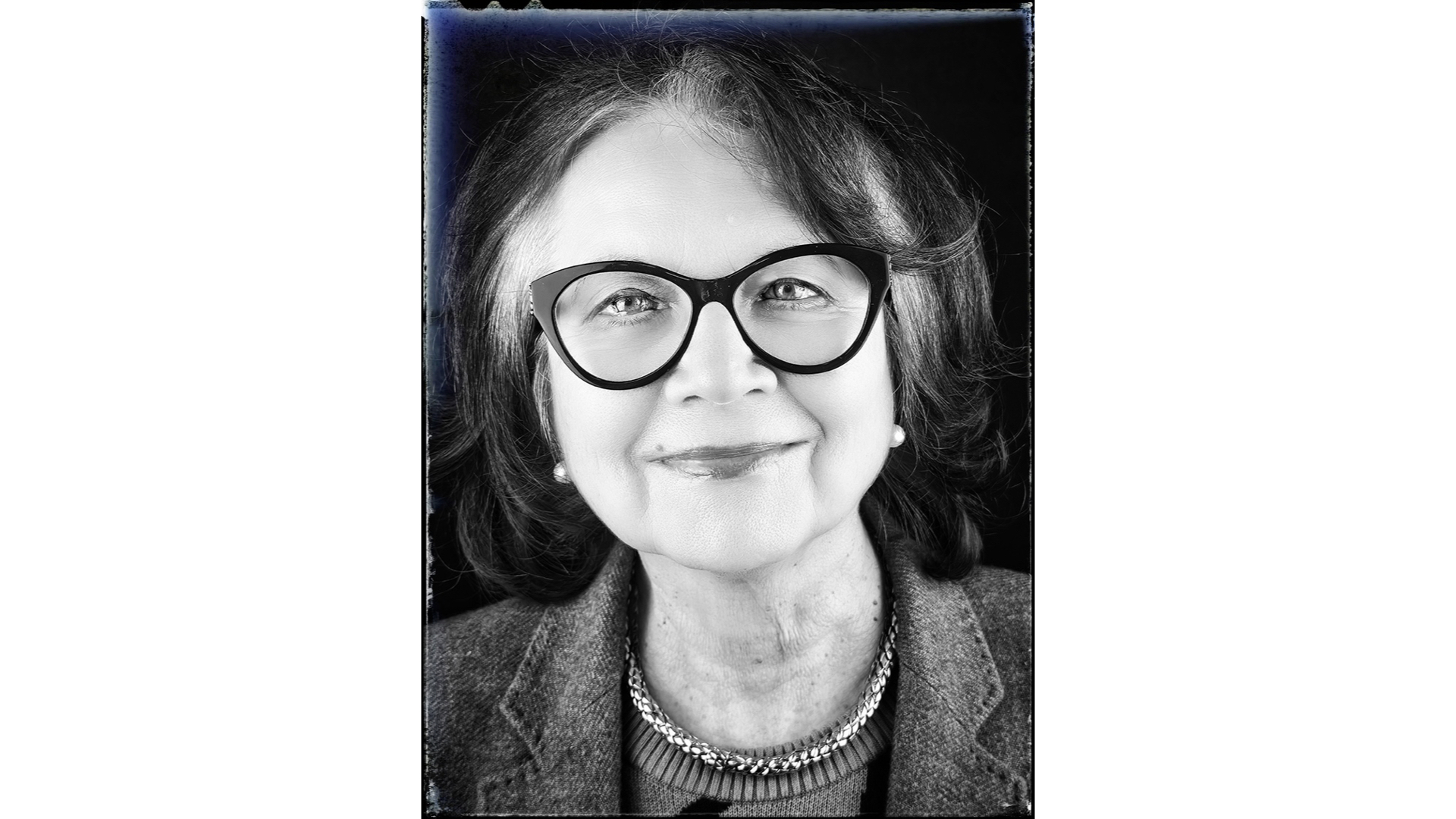
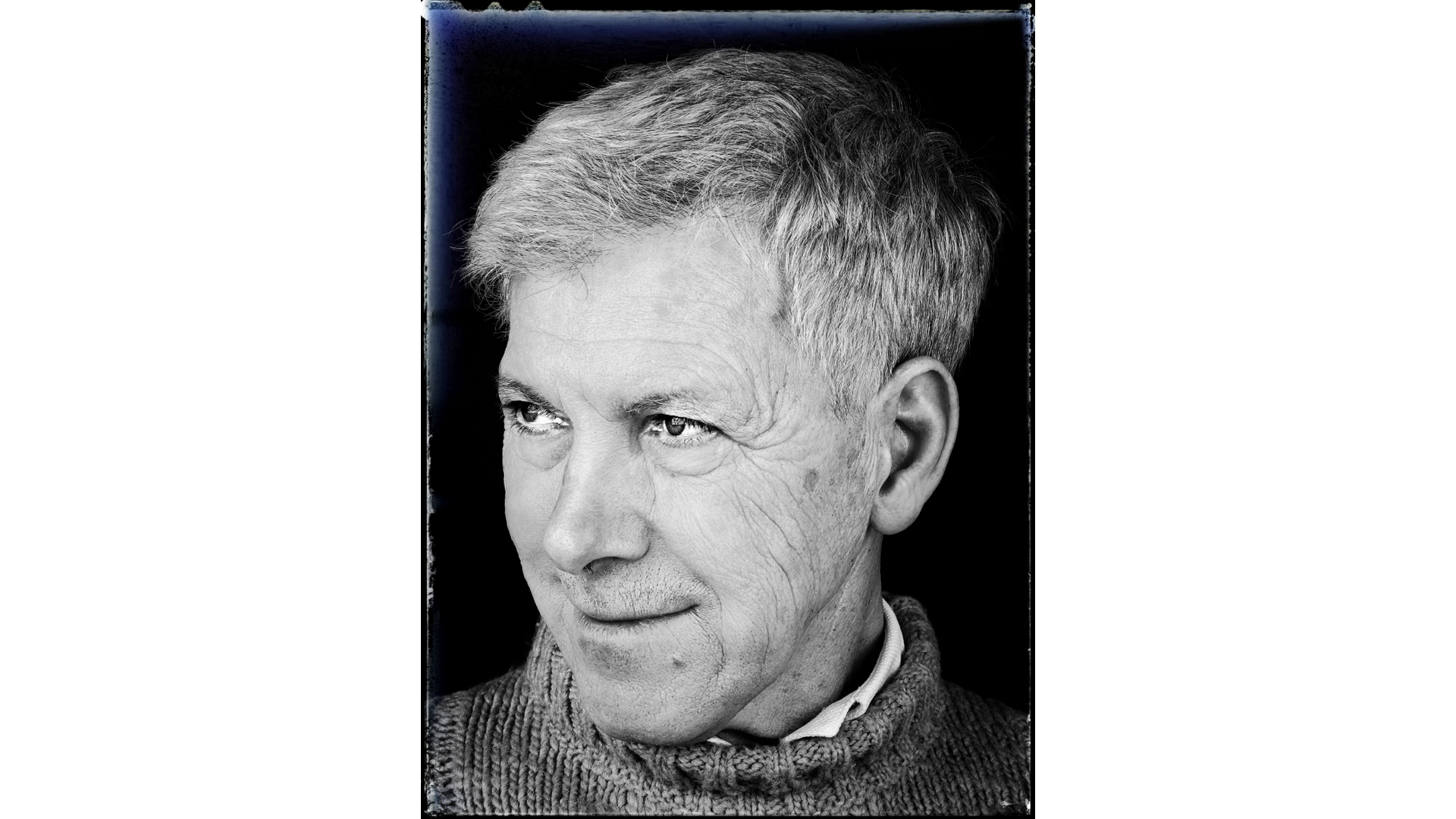
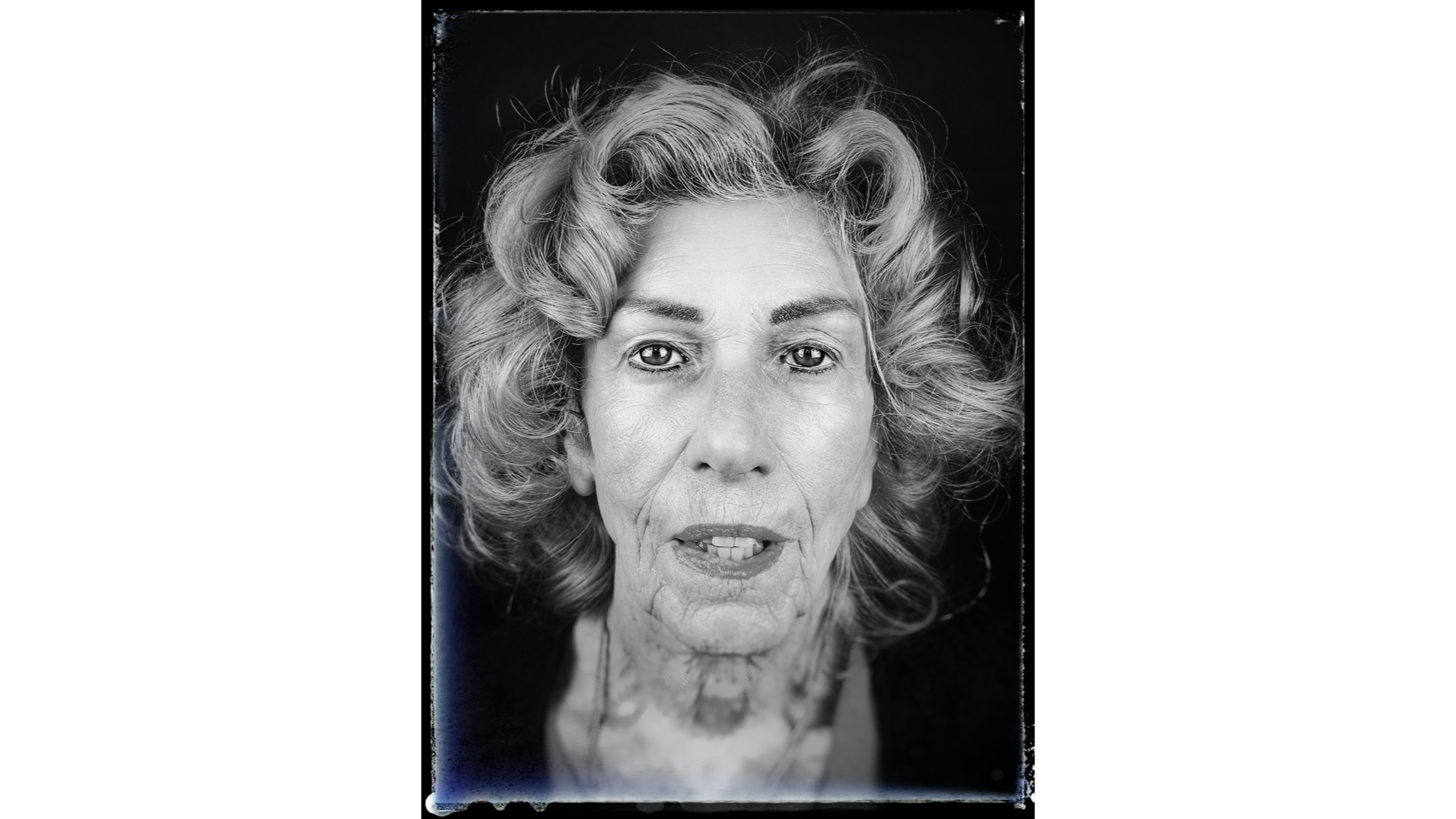
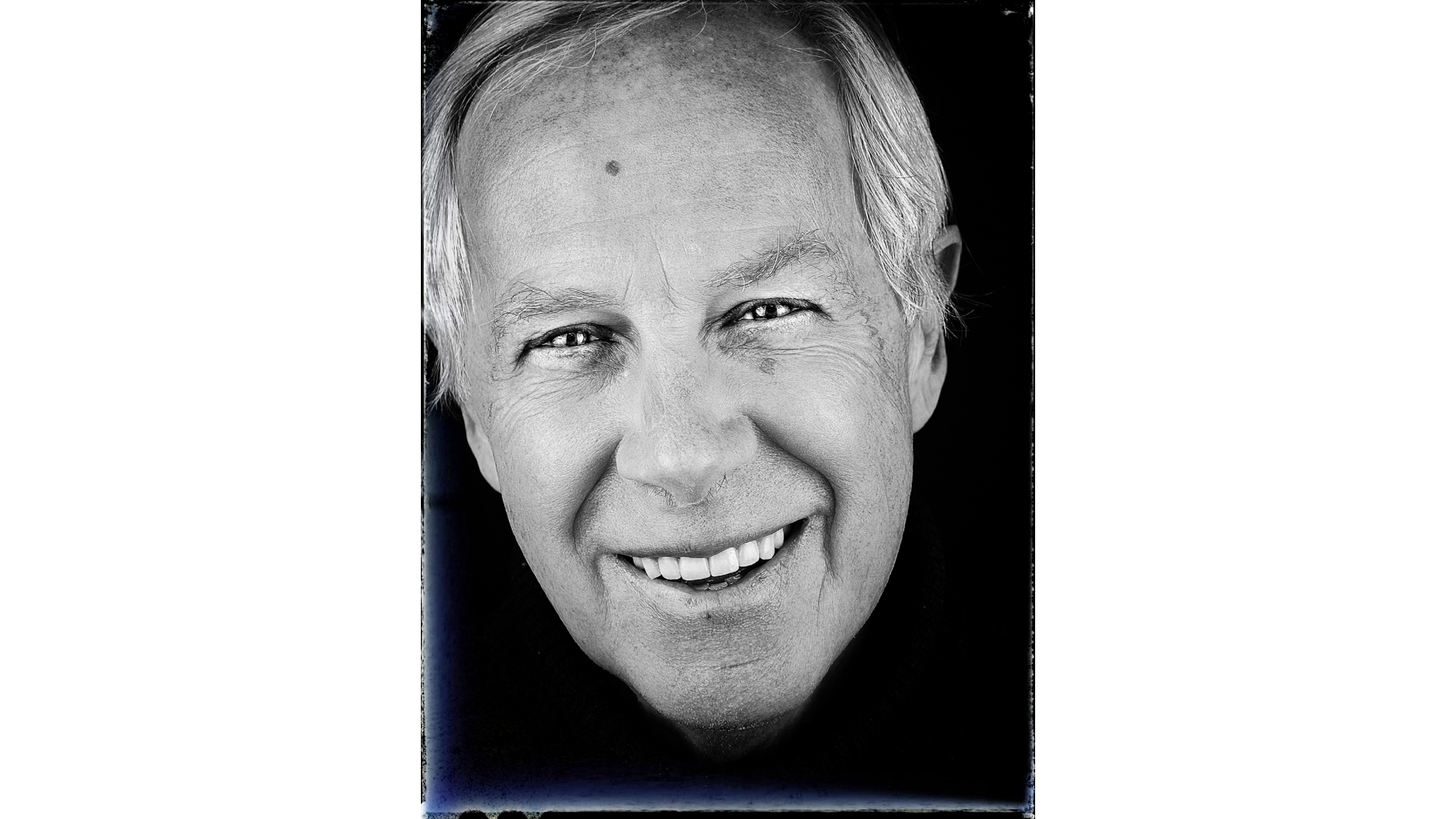
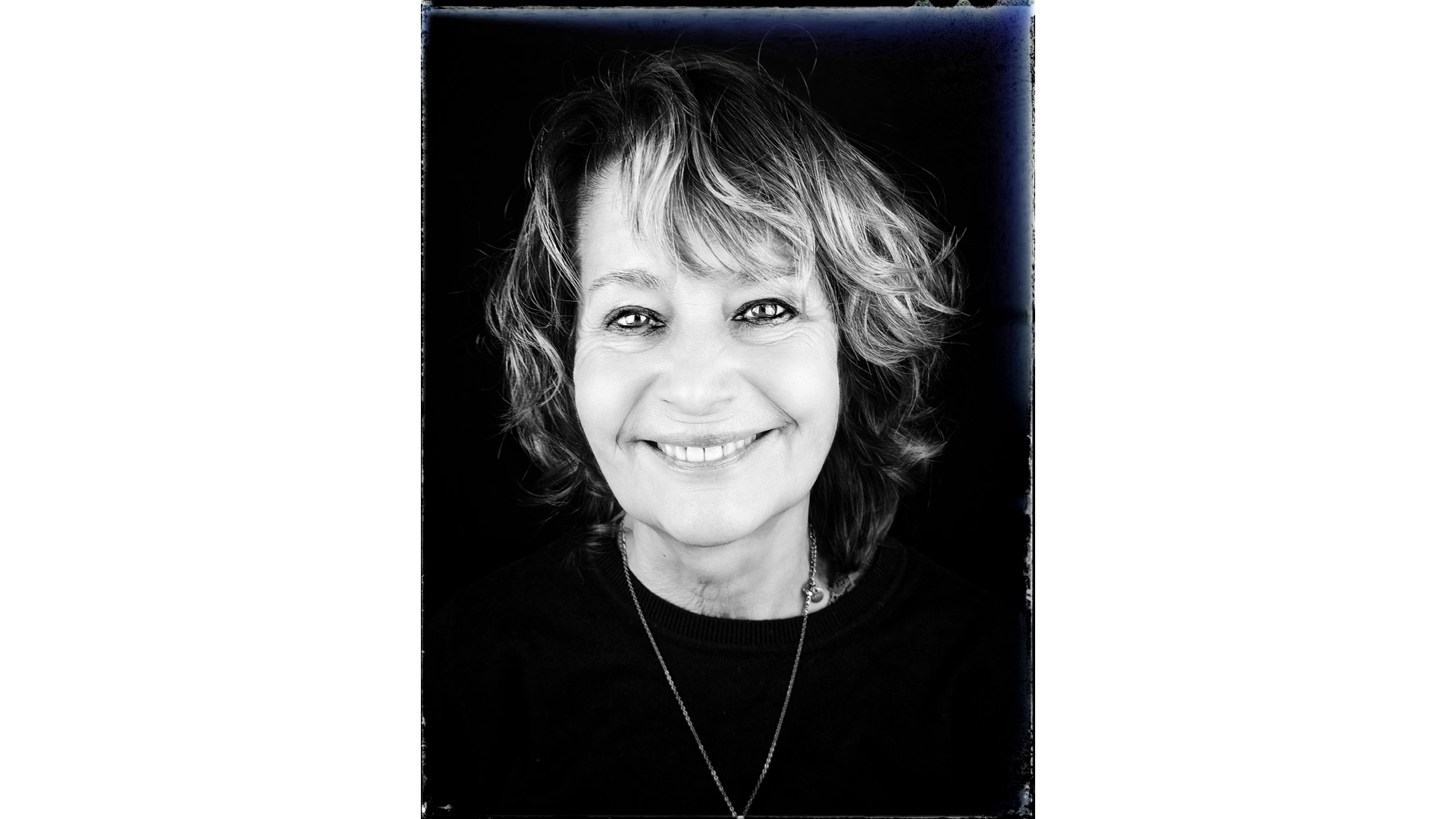
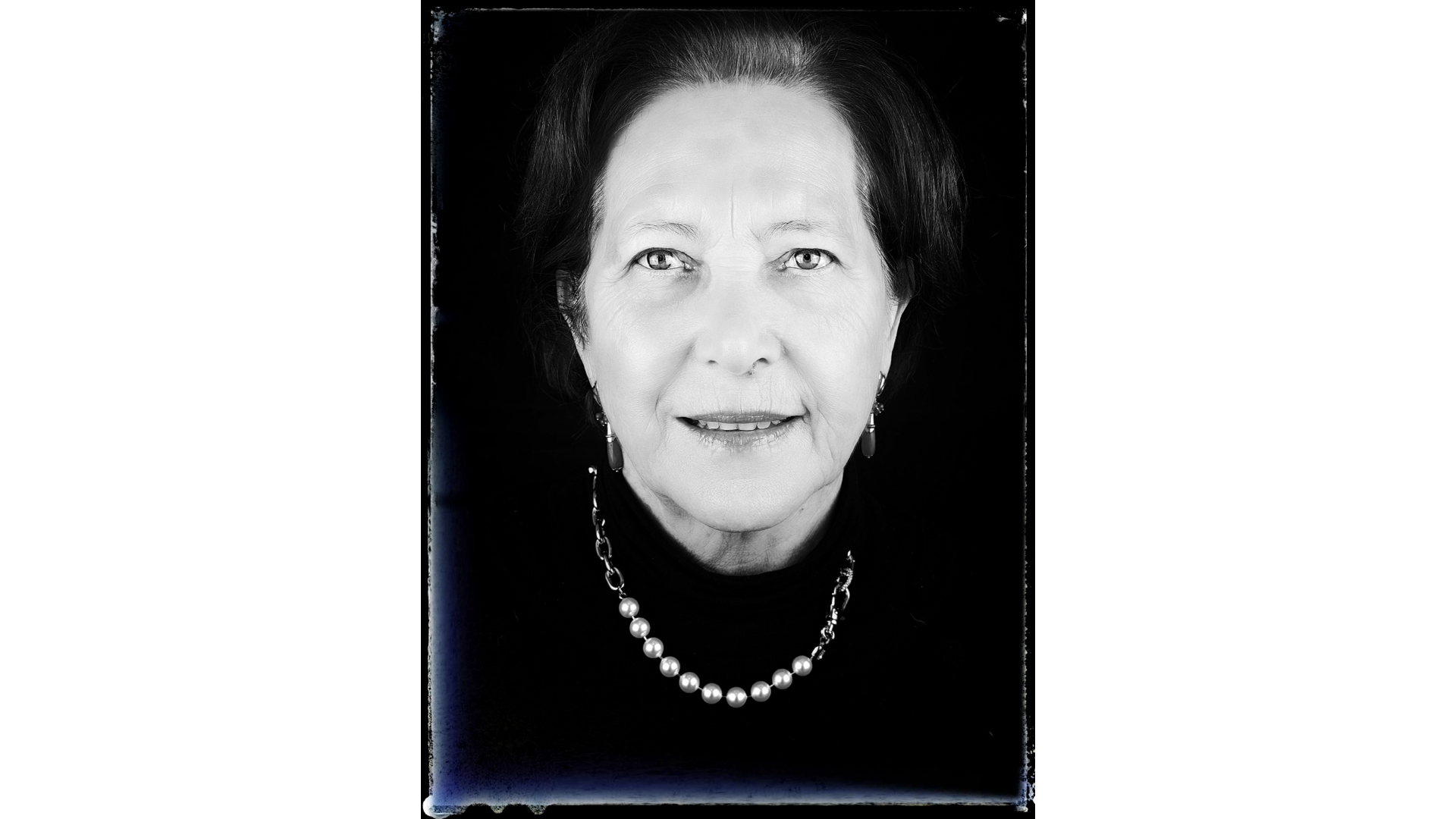
The Ritratti Volontari project, promoted by the Querini Stampalia Foundation, was born from the desire to make visible a community that is precious and fundamental to us. More than a simple photographic documentation, the project takes the form of a gesture of recognition, dedicated to the people who, for a period of time, inhabit, care for and help make the Foundation a special and welcoming place.
Essential yet discreet figures, the volunteers are an integral part of the institution’s daily life. The Querini Stampalia Foundation was the first institution in Italy to involve, since 2012, around one hundred volunteers in daily activities including welcoming the public, carrying out minor restoration work on modern books, and returning volumes to their places in the Library. Today, the project is made possible through collaboration with the associations Archeoclub Venezia, Auser Venezia, UNCI – Unione Nazionale Cavalieri d’Italia, and the Penitentiary Police, to which the volunteers belong.
Voluntary Portraits operates at what might be described as a threshold of visibility, transforming those who welcome, guide and accompany visitors every day into the protagonists of the image.
By entrusting these portraits to visual artist Giusy Calia, the Foundation chooses a language capable of conveying not merely a role, but a presence. Through her sensitivity and her ability to establish an empathetic relationship with the people she portrays, Giusy Calia allows what often remains invisible to emerge:
“Every portrait was, first and foremost, an encounter. I am interested in pausing to listen, allowing the face to emerge without having to represent something. I sought the quality of being there: that quiet and personal way of belonging to a place and making it come alive.”
The project is accompanied by a reflection by Cristiana Collu, Director of the Querini Stampalia Foundation:
“The photographic portrait is a device of relation involving a person and therefore also their mask; it is not simply, nor primarily, the representation of an individual. It is a place where the power of images, the presence of the body, the medium and the context intertwine, configuring the portrait as an event that is at once political and anthropological.
As Ariella Azoulay writes, every photograph establishes a ‘civil contract between the photographer, the photographed person and the viewer’. In the portrait, however, it becomes a space in which the photographed subject continues to claim a right to appear while withholding part of themselves from the gaze of the other. Looking at a portrait always obliges us, to some extent, to assume an ethical position towards the presence that addresses us.
A photographed face is an image that ignites a relationship and insists on its visibility. It demands attention; it wants to be seen, recognised, remembered. Yet it no longer belongs solely to the person represented. Instead, it enters a multitude of images that extend and transform the presence of bodies, creating a field of relations, a place where presence — even merely as the trace of someone who once stood before the camera — continues to negotiate its relationship with the gaze.
The portrait is (almost) always voluntary; it implies a form of consent: accepting to be portrayed, to expose oneself to the gaze of the camera and to the potentially infinite gaze of the other. Yet this willingness never amounts to a complete surrender of the self to the image. The Italian verb ritrarre contains a revealing semantic tension: it means to portray, but also to draw back, to withdraw.
Every portrait therefore emerges from a twofold gesture in which the subject offers themselves to photography while simultaneously withdrawing, leaving within the image an opaque zone, something that escapes the grasp of the lens. A trace of something that is simultaneously offered and withheld and that, as Jean-Luc Nancy so masterfully taught us, does not fully coincide with the subject, who is never entirely contained within the image. In this case, then, the voluntary gesture not only contradicts and negates itself; in its withdrawal, it prevents the photograph from exhausting the face it seeks to reveal.
Giusy Calia knows this mechanism well and succeeds in capturing it at the moment when it vibrates within the infinitesimal instant of the digital shutter. Having created, through an empathetic relationship with the subject, the conditions for their appearance, she takes the photograph with an awareness of what escapes, returning the intensity of a moment that belongs to the subject without becoming their definition.”
The transformation of the photographs into a slideshow projected in the Auditorium further expands the meaning of the project. The portraits, born from individual encounters, become a collective sequence, a collective portrait. Individual presences come together in a shared narrative, conveying through images the community that daily animates and cares for the Foundation.
Giusy Calia (Nuoro, 1971) is a visual artist, hypnotherapist and PhD in Comparative Literature. Her background brings together Literature, Philosophy, photography, Clinical Psychology and Regression Hypnosis. Her practice intertwines art, psyche, memory and symbolism, transforming traces, objects, trauma and forgotten memories into images, installations, writing, tarot cards and performances. Since 2004, she has exhibited in Italy and abroad, collaborating with museums, galleries, foundations and artists from different disciplines. Her work has been presented, among others, at MART in Rovereto, MAN in Nuoro, the Galleria Nazionale in Rome, Casa Leopardi, Palazzo Fortuny and the Vittoriale degli Italiani. She has also worked in theatre and cinema as a set photographer and visual artist, developing projects related to memory, human rights and the feminine. Her practice of urban exploration and her exploration of abandoned places have nurtured her interest in invisible memories. In recent years, she has developed a strongly symbolic language that brings together visual art, active imagination and regression hypnosis. Recent projects include La Querini Psichica – Atlante dell’Anima for the Querini Stampalia Foundation and Oltre la soglia in the Tempio lakes for Museo Organica, dedicated respectively to the exploration of the soul and to the relationship between memory, landscape and the passage between the visible and invisible. She lives between Sardinia and invisible places, conceiving art as a practice of listening, memory and transformation.